Public nuisance…
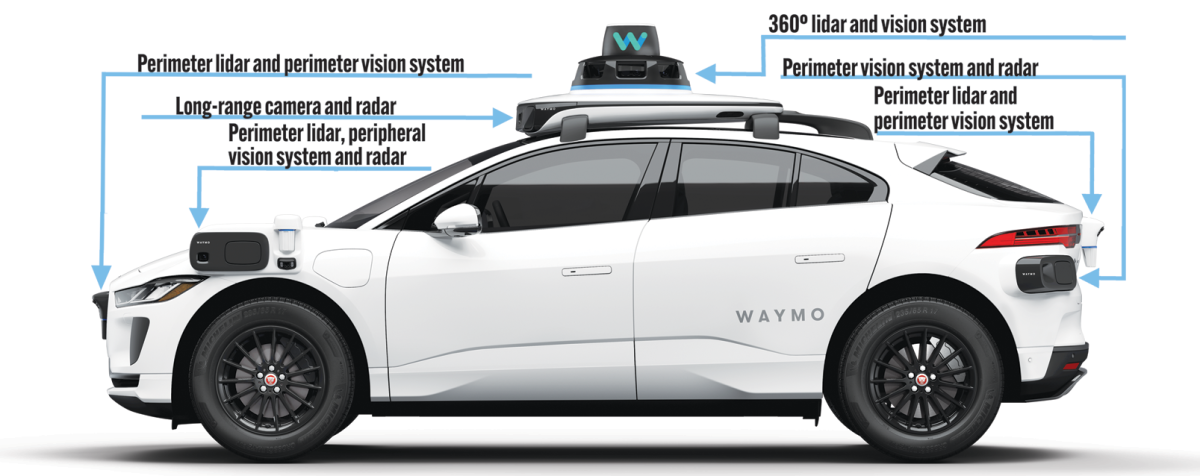
A blackout in San Francisco caused hundreds of self-driving Waymo vehicles to come to a complete stop, clogging city streets and creating even more traffic in an already chaotic situation. Although this happened last December, it impacted first responders, who also had to spend time moving stalled Waymos out of the roads.
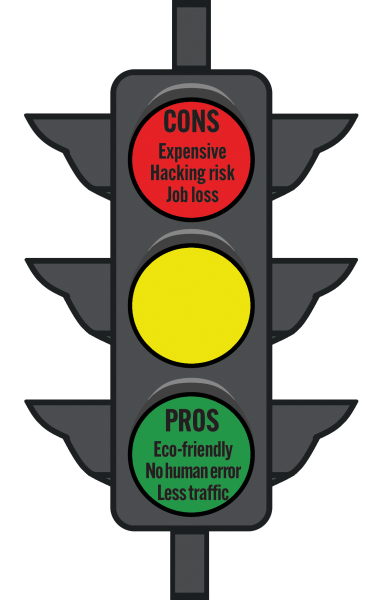
This is just one of many reasons as to why self-driving cars are unsafe, unreliable and an unfortunate addition to our future.
According to TechCrunch, autonomous taxi service Waymo charges about five more dollars than regular rideshare apps like Uber and Lyft. If the taxi of the future is supposed to be more cost-effective, the evidence shows that this is not the case. Human drivers remain the more economical option, although dynamic pricing can also affect whether the cost outweighs the benefits of either service.
There is a myth that the evolution of self-driving cars will solve traffic problems, but self-driving cars are still cars. A Waymo can seat up to four people, while a San Francisco Muni bus can seat roughly 120 passengers, and an eight-car BART train can carry about 1,000 people.
19-year-old Jenna Ward, a BART rider and supporter said, “If people keep funding these AI cars, prices in BART or Muni will get even higher because nobody is using them and they won’t have any money for repairs. Plus the city is like the most walkable place ever.”
Self-driving cars are also at risk of being hacked. A study by the University of Michigan reports that, “sharing information among vehicles creates an opportunity for hackers to introduce fake objects or remove real objects from perception data, which could lead vehicles to brake hard or crash.” This vulnerability is a disaster waiting to happen for people who rely on autonomous technology.
Although autonomous cars are already in service, serving thousands across the nation, they are not perfect. In October 2025, a beloved 9-year-old bodega cat was hit and killed by a Waymo in San Francisco’s Mission District. Although Waymo acknowledged the accident, as reported by the San Francisco Standard, Waymo stated that the cat ran under the vehicle and that the company would make a donation to an animal rights group.
Fremont resident Mya Borillo said she believes self-driving cars aren’t helpful or safe. “There have been cases where these cars will ignore basic road safety or even watching out for pedestrians. Especially in the city where roads and traffic aren’t the best.”
The job loss caused by self-driving vehicles could be significant.
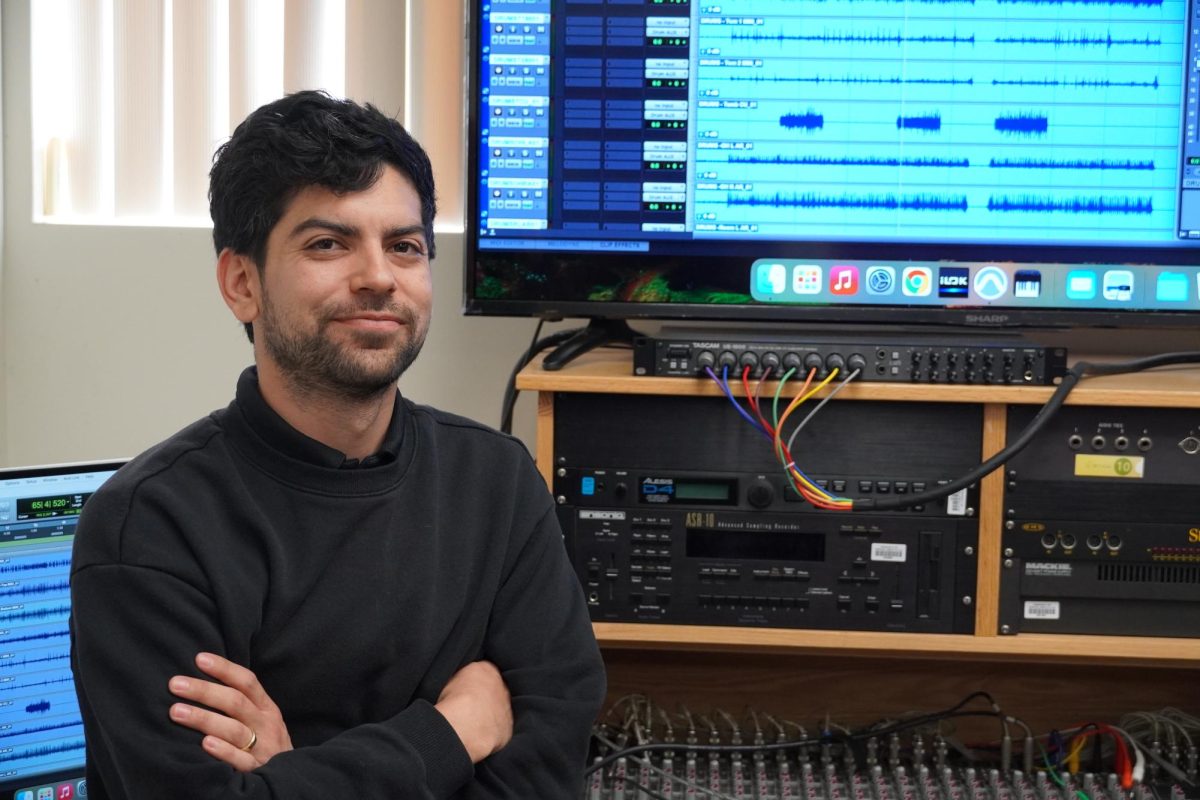
Los Medanos College automotive Professor Nick Gale said, “If a car doesn’t need a driver, then taxi drivers, ride share drivers and truck drivers are potentially at risk.” According to the American Trucker Association, 3.5 million people are employed as truck drivers. If this industry becomes automated, millions could lose their jobs.
The topic of self-driving cars has been a point of controversy for quite some time. Once considered science fiction, it has become a reality. For some, self-driving cars are a benefit. For others, they are a problem.
…Or a necessity?
Self-driving vehicles are on the rise, with the number in the world doubling since 2022. These vehicles are designed to operate with little to no input from the human driver, depending on the level of automation.
According to the Society of Automotive Engineers International, there are six levels of driving automation ranging from level 0, where safety alerts and warning systems are in place but a human driver is in control, to level 5, where the car is fully in control.
A key benefit of self-driving vehicles is increased safety due to the removal of human error. Car crashes remain a major issue in road safety, much of which is caused by the people behind the wheel. According to the National Highway Traffic Safety Administration, 39,254 people were killed in motor vehicle crashes in 2024, with 30% of those fatalities related to alcohol-impaired driving and 29% involving speeding.
Because self-driving vehicles don’t rely on humans in the same way as traditional cars, they aren’t affected by factors such as alcohol, fatigue, distraction or risky decision-making.
Los Medanos College automotive professor Nicholas Gale said, “I think overall the technology is a benefit. Full autonomous vehicles are more courteous to pedestrians. Fully autonomous taxis could reduce drunk driving if normal taxis or ride share is unavailable.”
While he expressed that current technology isn’t at a point where human drivers are extinct, Gale believes “We are about 15 years away from cars not having steering wheels.”
The systems within autonomous vehicles are designed to constantly monitor the road, follow traffic laws and respond more quickly than humans to danger. By removing human error, self-driving technology has the potential to significantly reduce the number of fatal crashes and improve road safety.
Self-driving vehicles could also have positive effects on the environment. Unnecessary actions like over-accelerating or slamming on the brakes can be avoided with efficient programming.
The Environmental and Energy Study Institute states many self-driving vehicles are also electric, meaning they don’t produce tailpipe emissions and are more energy efficient compared to gas-powered cars.
Traffic congestion is often caused by human behavior like sudden braking, inconsistent speeds and slow reaction times. Automated vehicles have the potential to reduce these problems and improve traffic flow over time.
According to the U.S. Department of Energy, connected vehicle technology allows cars to communicate with each other, and when combined with automated vehicles, it could further help improve traffic flow and safety.
Looking at statistics on Precedence Research, autonomous-ready vehicle production reached more than 5 million units in 2023, growing 39% the following year. It is clear that self-driving cars are not a niche technology that will disappear. Vehicles with less human input are projected to skyrocket by 2035.
“I think they [autonomous vehicles] are here to stay, but there are a few technological, legal and ethical concerns that need to be addressed,” said Gale.