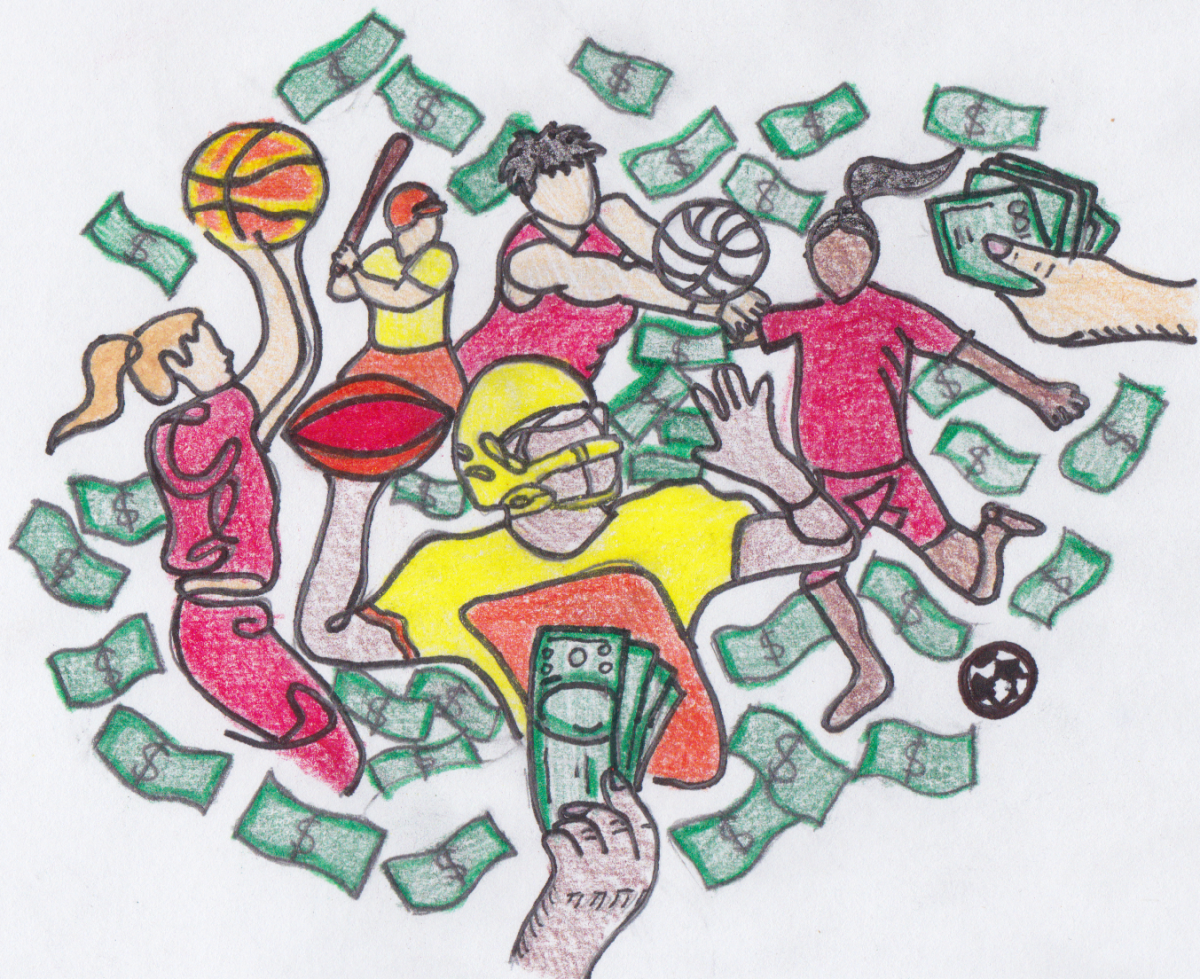
If colleges are going to treat athletes like employees, they might as well pay them like employees. That’s the argument driving the push for financial compensation across collegiate athletics. With recent legal action, college sports have entered a new era of pay, reflecting athletes’ time, labor and sacrifice. Still, there is still work to be done.
House v. NCAA settlement marked a turning point for Division I football and basketball players, as high-level athletes argued that colleges were benefitting from their name, image and likeness more than the athletes themselves. As the Associated Press reported, “plaintiffs claimed NCAA rules denied thousands of athletes the opportunity to earn millions of dollars off the use of their names, images and likenesses.”
Once the floodgates for financial compensation were opened, with bans previously placed on earning money through endorsements or other brand deals, a $2.8 billion settlement followed. Division I athletes began earning significant compensation, with top earners like Arch Manning from Texas University earning $5.3 million.
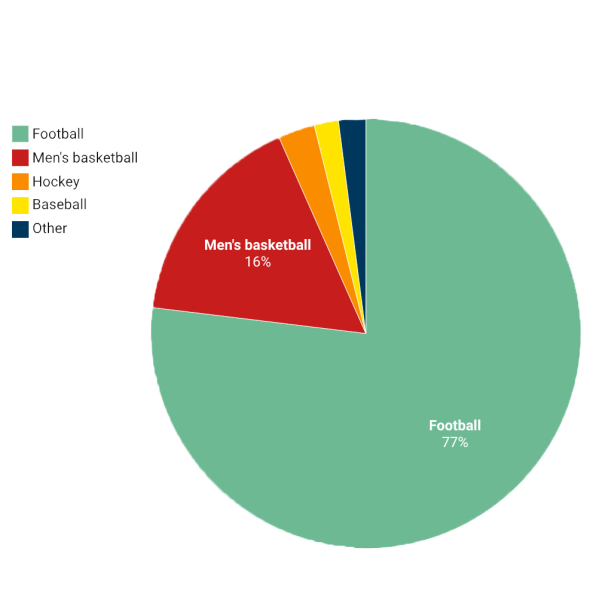
Football takes the cake
While this shift has proved monumental for Division I athletes, it questions: what does compensation look like for other collegiate athletes outside that level, particularly at junior colleges?
Division I programs receive millions in funding, and their athletes benefit from free meals, housing, apparel, top-tier medical care and specialized academic support. Junior college athletes, however, often juggle academics, jobs and competition without those same resources.
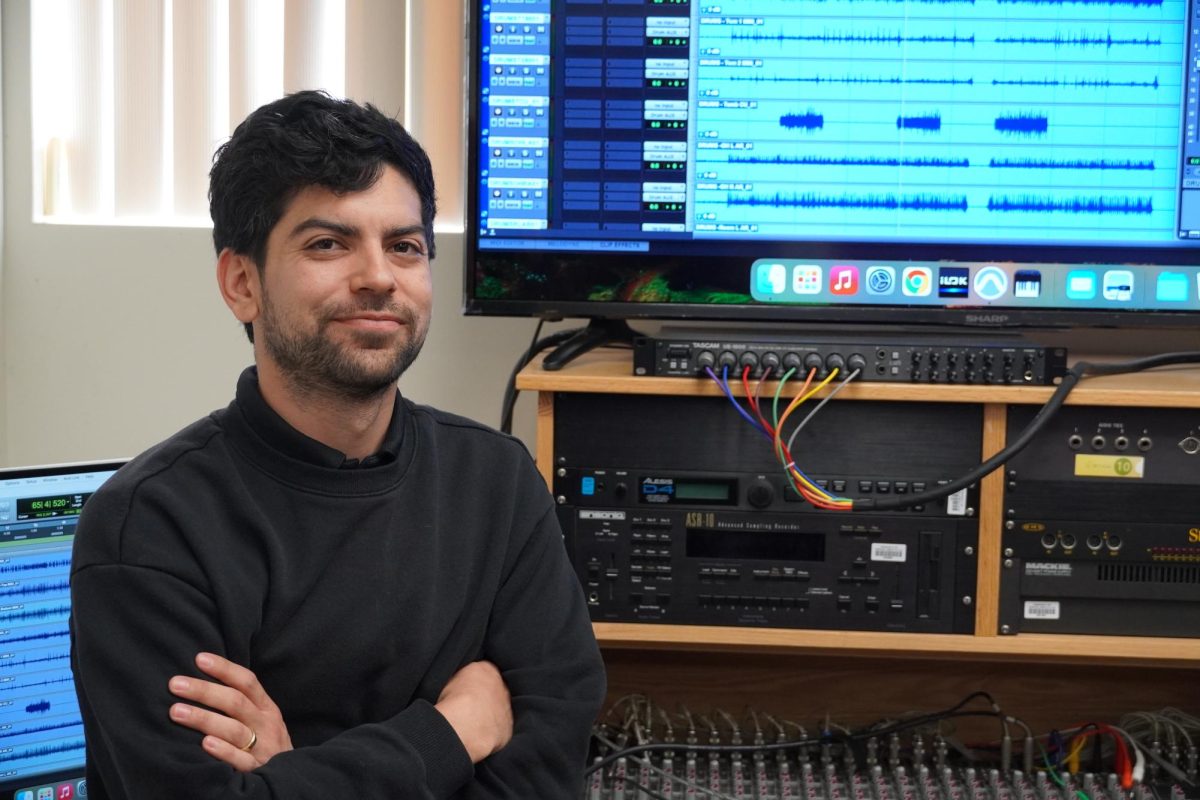
This gap is also reshaping decisions for athletes looking to transfer. Former LMC wide receiver and student athlete Ryan McKendry said the rise of Name Image and Likeness opportunities has changed how he views potential schools. “The introduction of NIL opportunities has influenced my thought process by making me want to go to schools I hadn’t envisioned before,” McKendry said. “Schools that previously weren’t allowed to offer money before and weren’t on my radar, are now.”

As money becomes a larger factor, priorities are shifting. While values like teamwork, discipline and development still matter, the appeal of financial opportunity and fame is becoming harder to ignore.
“In comparison to play time and development, the money outrules the playing time or development.” McKendry said.
The fine line between self efficacy and greed is hard to juggle but can be done. “Although money is often the most important, it’s important for athletes to not be greedy,” he said. “An athlete’s career ends before you stop making money, so take advantage of the time you play now.”
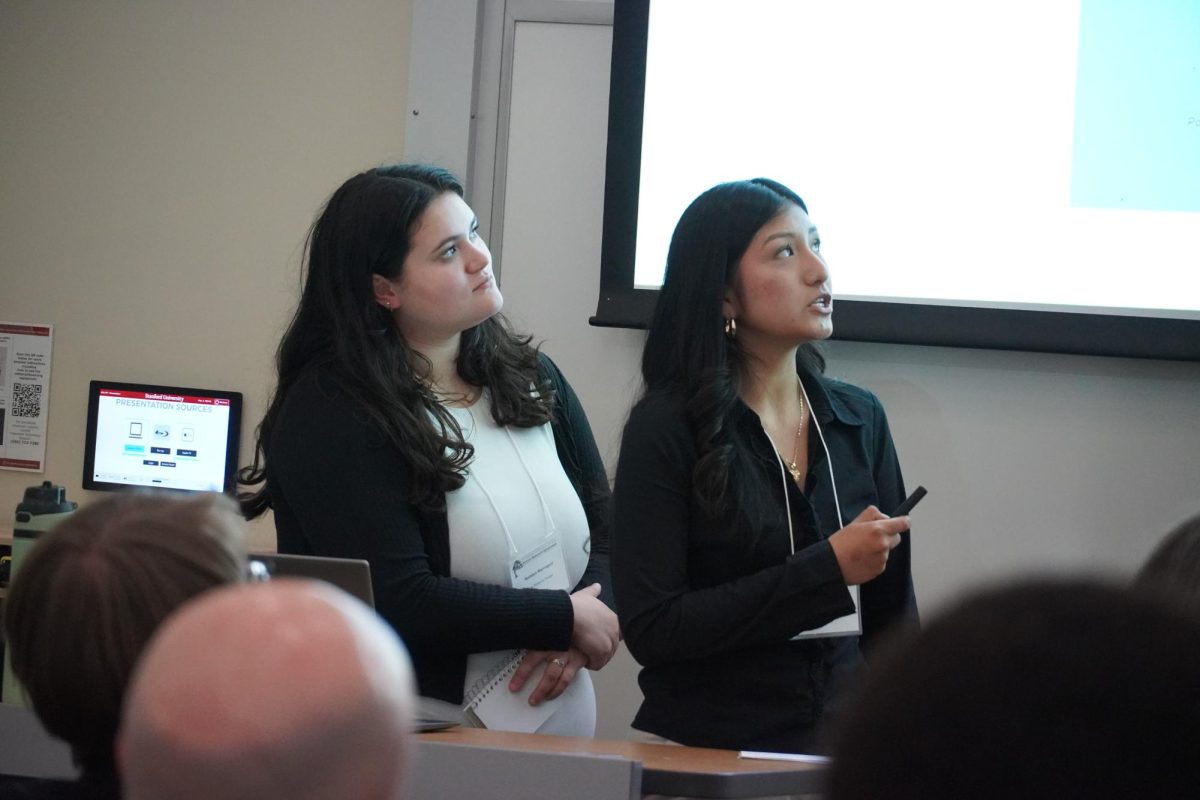
About to finish her last semester, LMC volleyball captain, Mani Bakshi corroborated McKendry’s beliefs. “NIL potential is something I take into consideration, it does not outweigh the importance of playing time, coaching, and overall development,” Bakshi said. “NIL is more of an added benefit, whereas development and opportunity to compete are what truly guide my decision.”
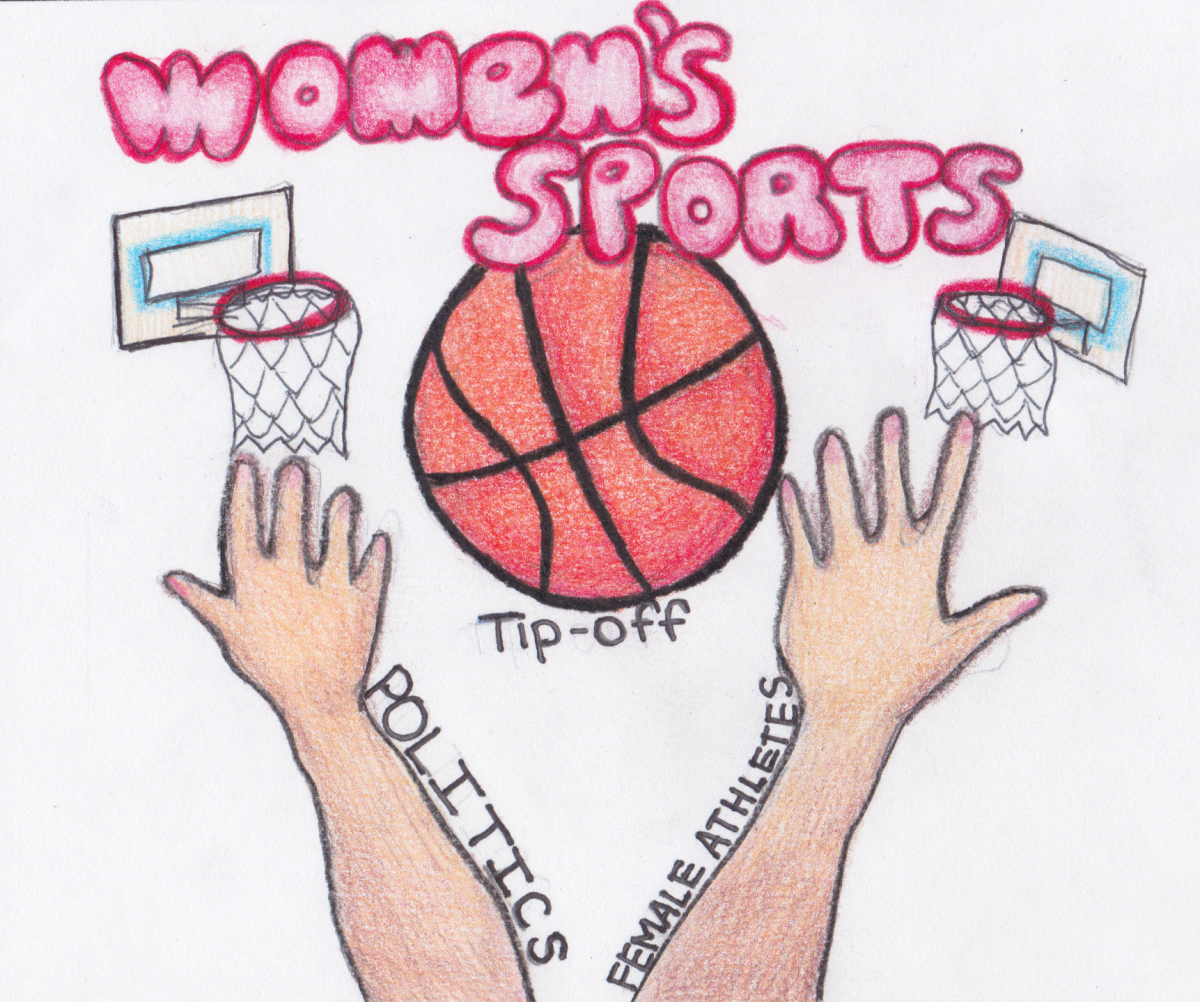
Beyond individual decisions, NIL has also exposed deeper inequalities, particularly between men’s and women’s sports. According to the University of Cincinnati Law Review, men’s basketball players in major conferences earned an average of $171,272, while women’s basketball players were paid $16,222.
Following the House vs. NCAA settlement, the NCAA agreed to pay $90 million in broadcast NIL damages for men’s basketball players and $30 million for women’s basketball players. These pay disparities highlight a broader issue that extends beyond athletics and reflects existing gender wage gaps.
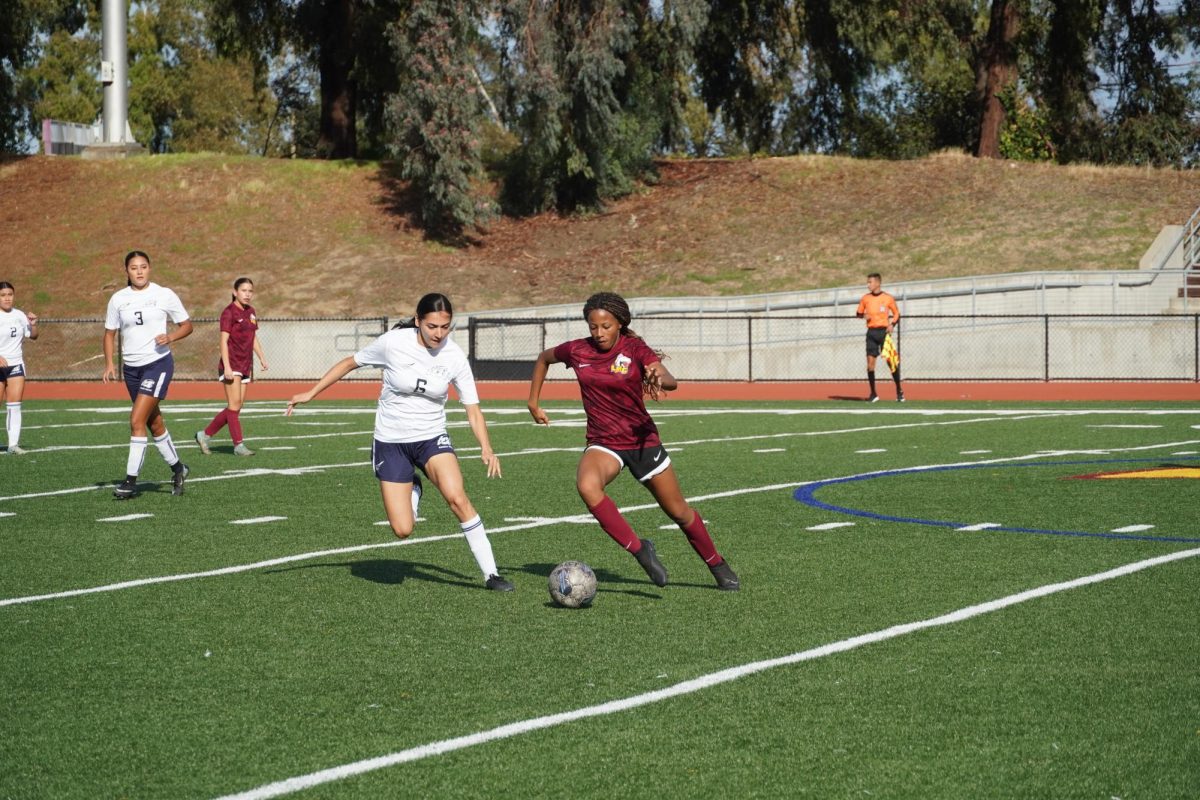
On top of the complications involving team culture and individual improvement, gender discrimination has plagued the newly forming transfer portal. Female athletes earn less for the same amount of work.
Despite these challenges, female athletes continue with their heads held high. While looking adversity in the eyes, female athletes continue to push boundaries, gain viewership, and walk with grace.
“The transfer portal has made me more aware of the potential to build something for myself off the court,” Bakshi said. “I want to go where I can continue to grow and succeed long term.” Bakshi’s testament showcases the tremendous upside of giving athletes a platform to market themselves. There is an air of self-efficacy and self-determination that urges student-athletes to respectfully demand the respect, attention, and payment they deserve.
As the transfer process becomes more complex with issues such as gender inequities, questions of personal priorities, and team culture, it is harder now more than ever for junior college athletes to pick the right spot for them.
Both Bakshi and Mckendry gave some words of wisdom in navigating this struggle. They both say the most crucial part is “being patient.”
With an everchanging college scene, patience and consideration remain crucial to the decision process, but now, there is more to think about. What does this team’s culture look like? How much money is this school offering me? Will I be able to market myself on this team?
Even still, for athletes coming out of high school, for Junior College athletes looking to transfer, for four -year players looking to transfer, the question should be, where do I feel valued? Take away the money, the facilities, the media, and what are you left with? Take off the rose colored glasses to reveal the truth, life isn’t about money, it’s about moments.