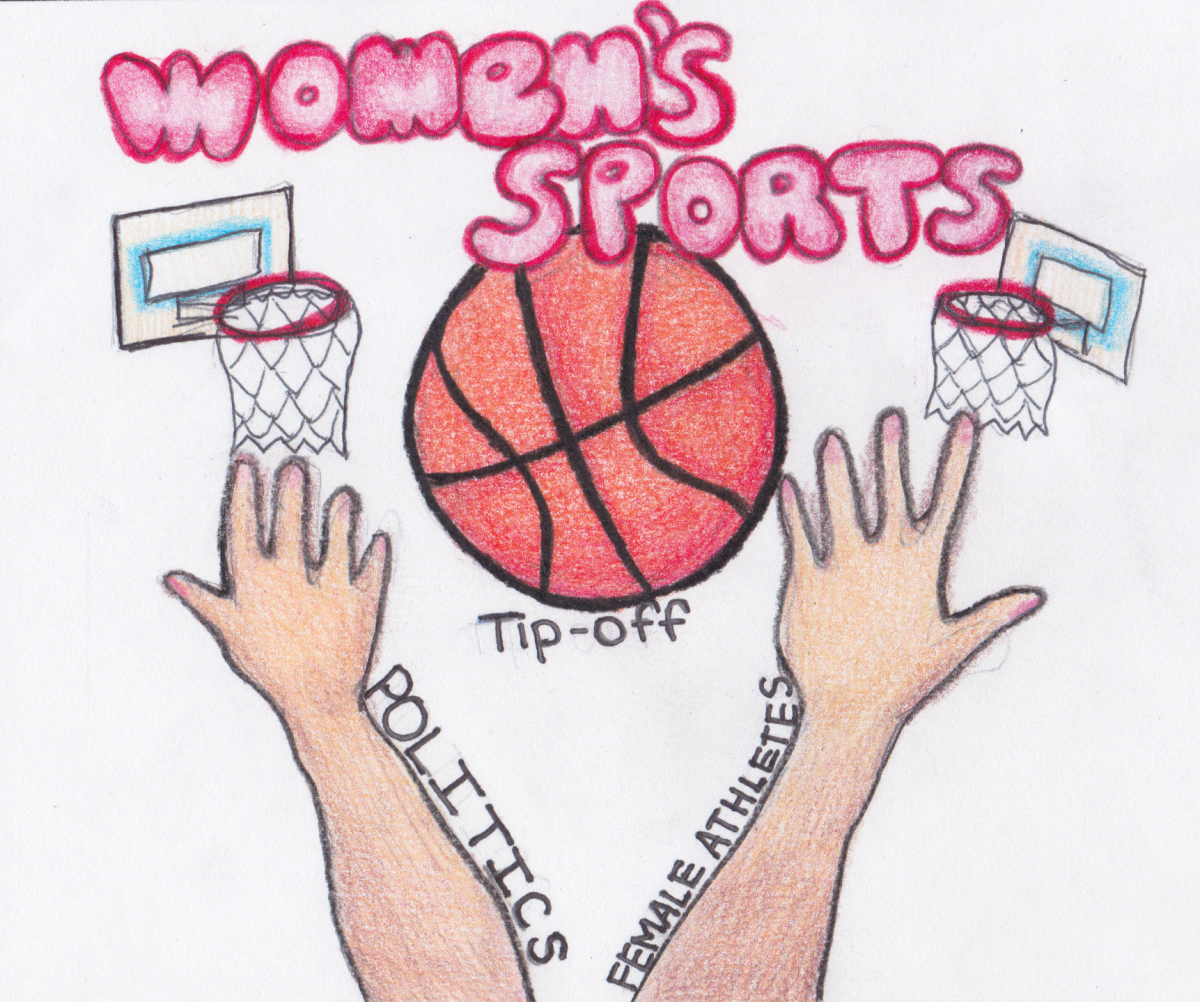
The WNBA is entering its 30th season with a ton of traction. The newly formed expansion team, the Golden State Valkyries, recently became the first women’s sports team in history to reach a $1 billion dollar valuation. As is often the case, however, this success has come with complications, Administrative issues, racism and politics have all surfaced publicly and continue to disrupt the success of the league.
Politics in women’s basketball has been present since the league’s early years, with many players sharing personal experiences involving discrimination, censorship and bigotry.
WNBA superstar and University of Connecticut legend Sue Bird spoke openly about her experience in the league and how officials attempted to shape her public image to appeal to the male gaze and eliminate questions surrounding her sexual orientation.
In a conversation with former partner Megan Rapinoe on “The Pablo Torre Podcast,” Bird said, “It was basically told to me that the only way I was going to have success from a marketing standpoint is to really sell this straight girl next door.” She added that many league executives told her she had “the look.’’
The league set a precedent that heterosexuality and hyperfemininity were treated as the ideal image female athletes should maintain. In a lot of ways, the current political climate has seeped into the culture of women’s sports, making it acceptable for polarization to enter professional settings.
This is not the only controversy the league has faced. More recent examples include the rivalry between Indiana Fever star Caitlin Clark and Atlanta Dream spark plug, Angel Reese.
The rivalry began before either athlete entered the WNBA during the 2023 NCAA championship game, when both players were seen making verbal jabs at one another and celebrating in each other’s faces.
When Clark and Reese entered the league in 2024, the rivalry followed them. However, the focus shifted beyond basketball and instead exposed the racism that continues to surround women’s sports in America.
According to Forbes, “the rivalry has drawn racists and misogynists who use Clark and Reese as springboards to spew racist, misogynist hatred that extends far beyond basketball.”
The publication also stated, “Instead of seeing two passionate players, many fans saw racial representatives and responded accordingly.”
Reese has spoken about the impact this treatment has had on her, particularly during games against the Indiana Fever.
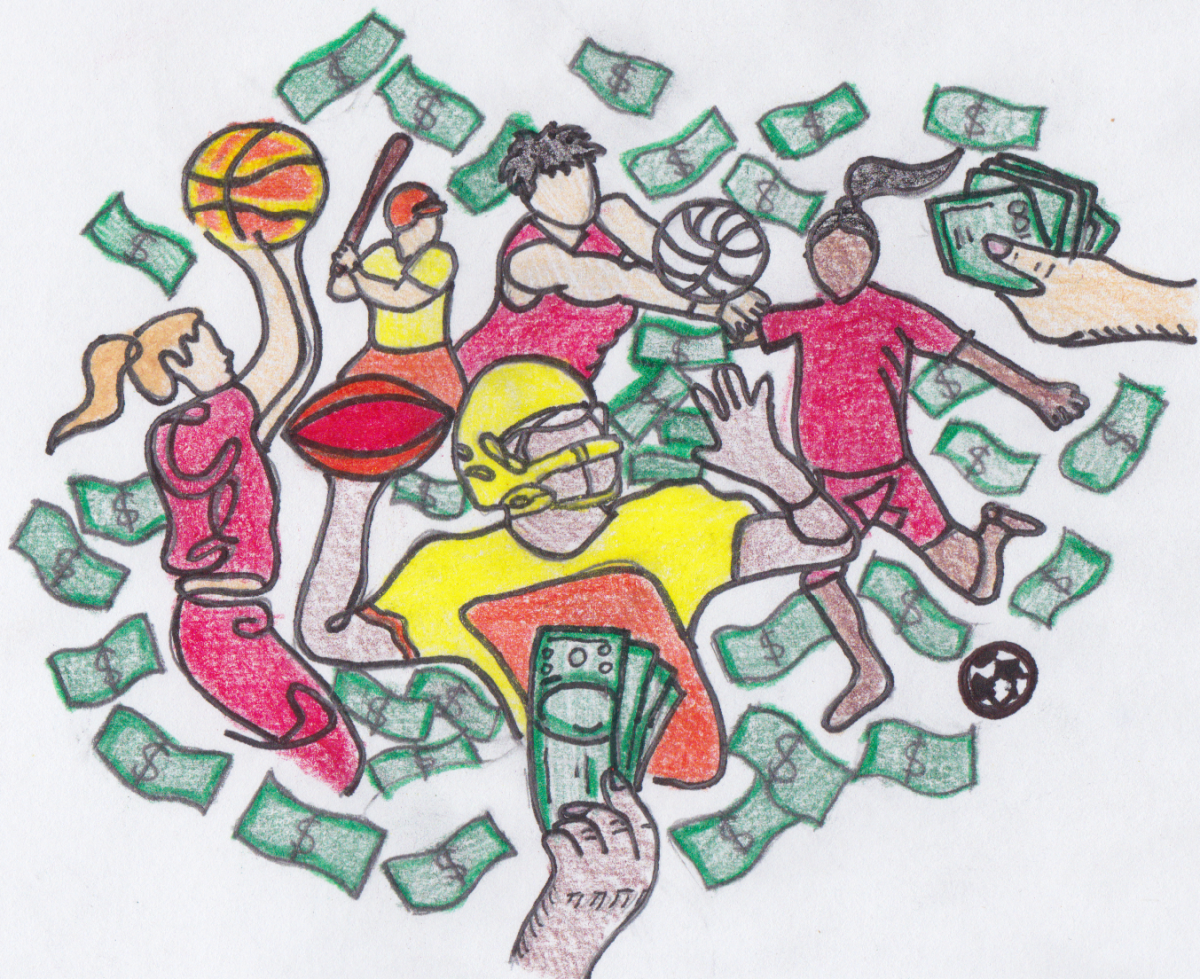
The league has done little to calm tensions and instead has often benefited from promoting the rivalry. Since the conflict draws more viewership and fan engagement, the WNBA profits while the public watches business take priority over morality and equity.
As if that were not enough, players who speak out against injustice can also face consequences. That concern has emerged in discussions surrounding WNBA veteran Natasha Cloud. Cloud, who previously played for the New York Liberty, entered free agency following the 2025 season.
She has consistently spoken out on issues including Palestine, gender discrimination, racism and LGBTQ+ rights.
Fast forward to the opening week of the 2026 season, and Cloud remained unsigned. Nation Newspaper coined the term for this wrongdoing as “Kapped.” “The slang derives from San Francisco 49er quarterback Colin Kaepernick, who took a knee during the national anthem in protest of racist police violence and subsequently lost his career.”
The WNBA is showing both players and fans what can happen when athletes speak openly against injustice. The irony is almost comical; thrive in a league that thrives off of your struggle, and don’t dare to say anything about it.
It is with love that the league must hold a mirror to its imperfections and attempt to draw out the evil. Without that effort, the racism, homophobia and intolerance attached to the league’s growth will continue to undermine the progress women’s sports have fought to achieve.
Change is inevitable. Politics can either move forward with it or get out of the way.