Around 4.4 million people received medical attention in 2024 for injuries caused by sports and recreational equipment, according to the National Safety Council.
It is not uncommon for an athlete to sustain an injury during their career, whether it be a mild muscle strain or something more severe, like a broken bone or a head injury. How do such injuries happen, and can they be prevented?
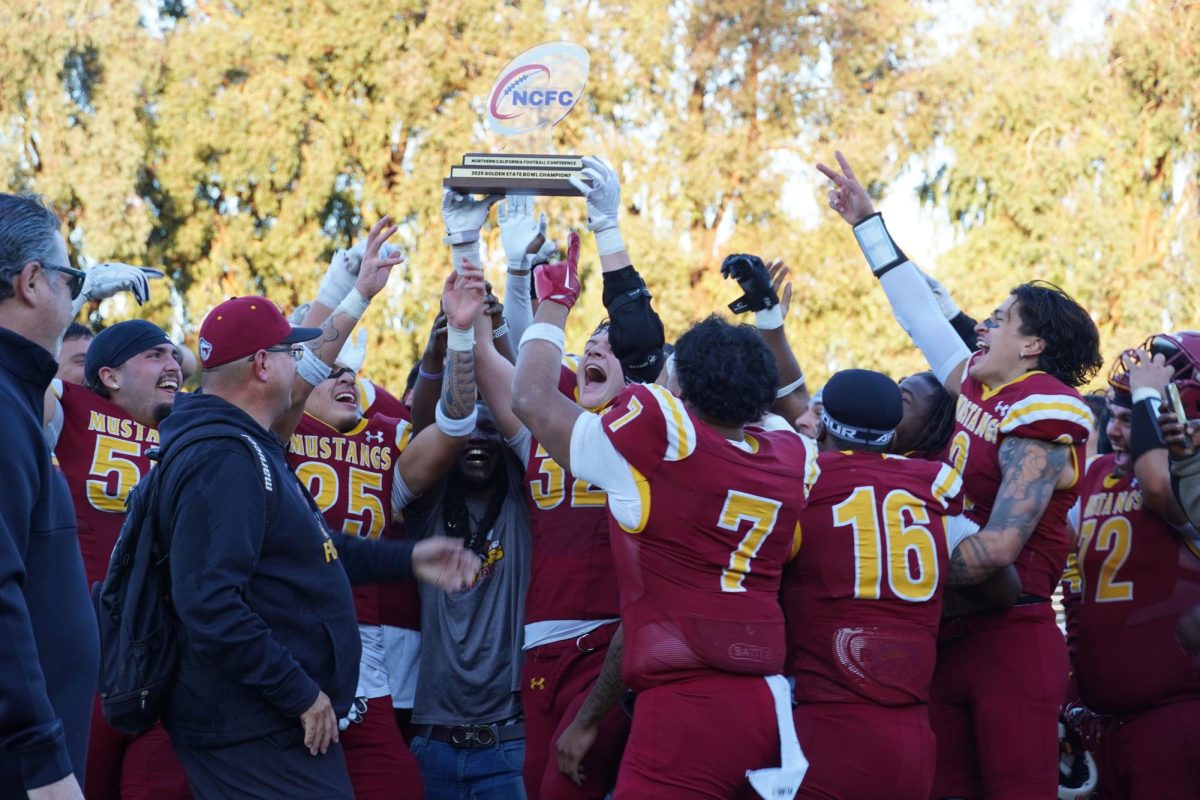
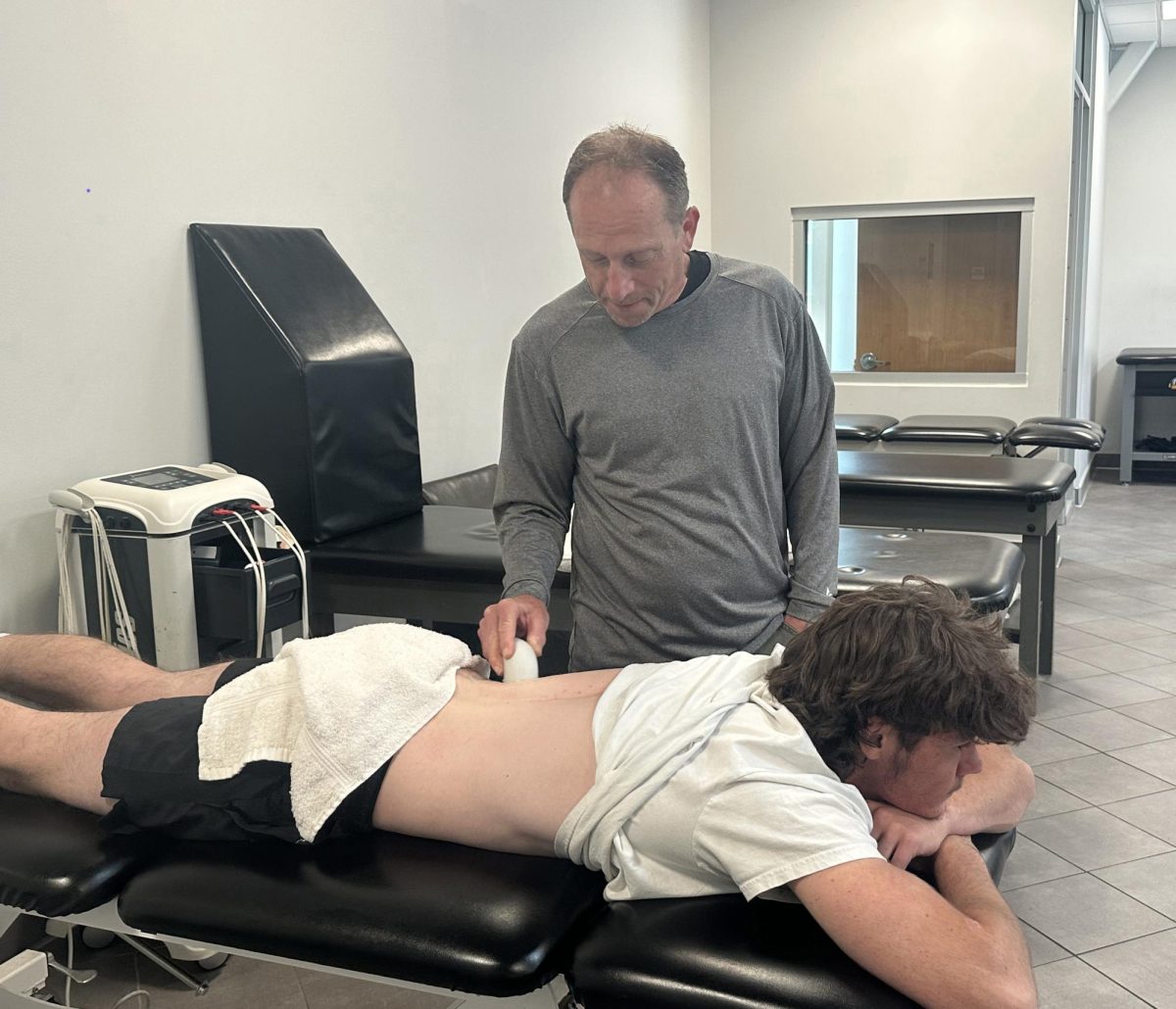
Los Medano College’s athletic trainer, Brian Powelson is no novice when it comes to treating student injuries. While the school has several sports teams and exercise programs, Powelson typically sees one sport more than most.
“Football probably comes in the most ’cause of the sheer number of them,” he said. “They tend to be a little bit more high maintenance than most.”
Football is widely considered one of the most dangerous sports due to its physical nature. However, injuries are not always the result of contact.
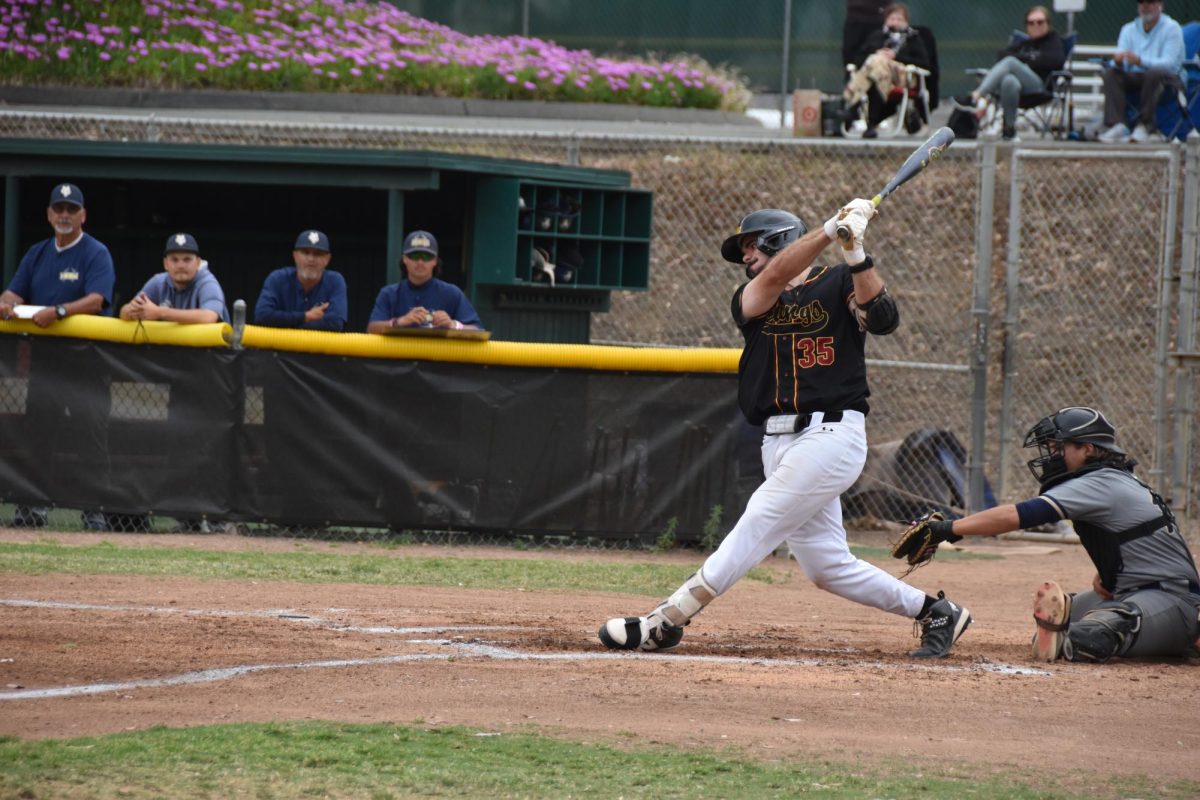
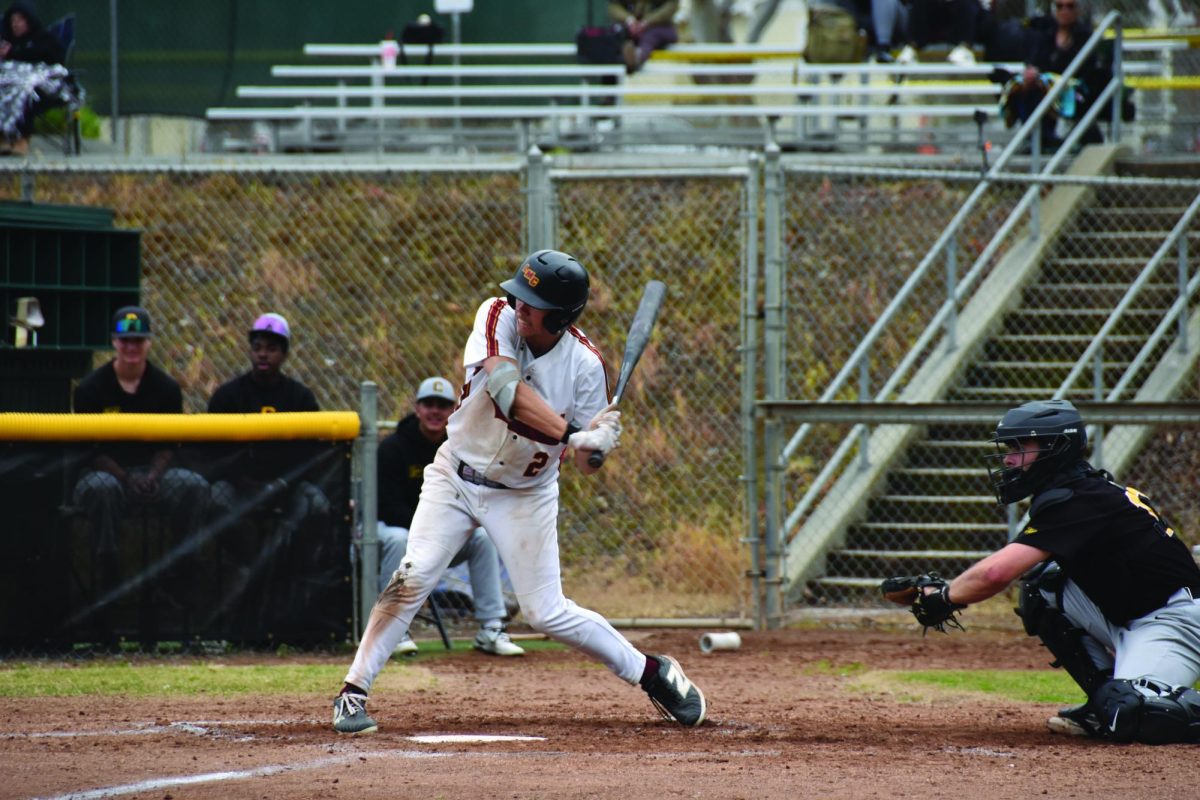
Head Baseball Coach Bob Ralston offers a different perspective, as baseball is not considered a contact sport. Aside from the risk of being hit by a ball, many injuries stem for overexertion.
Ralston said pitchers are most at risk for arm injuries, particularly in the elbow and shoulder.
“You know, a lot of it is tendinitis and stuff like that,” he said.
Tendinitis is irritation or inflammation of a tendon, often caused from repetitive motions and overuse rather than a single injury.
“We don’t wanna, you know, throw them over 100 pitches if they’re a starter,” he added.
Tendinitis is a soft tissue injury, and these types of injuries are often more preventable. Powelson recommends maintaining overall fitness with a focus on reducing muscle weakness.
“Muscle imbalances between different muscle groups,” he said, will cause “injuries that probably could be avoided.”
Soft tissue injuries are also common in the legs, particularly in the hamstrings. Ralston emphasized the importance of balanced leg strength in preventing injury.
“Quads are 60%, hamstrings are 40%,” he said, adding that an imbalance of quads being 80% and hamstring being 20% would be at a higher risk for injury of either muscle.
Powelson explained that preventing an imbalance tends to look like incorporating more strength training into a workout routine. Whether that be leg presses, quad strengthening or knee extensions, it is beneficial to dedicate time into preventing muscle imbalance.
Despite strength training, not every injury is preventable, Accidents still happen, especially in contact sports like football. Student-athlete Yatil Jones tore his patella and kneecap in a mid-air collision during a football game.
“I didn’t know it was broken at first,” he said.
The injury forced him to relearn how to move, as he had to wear a cast that restricted mobility. He was sidelined for about a year. While he has since returned to football without significant change in performance, he still experiences reminders of the tear.
“It still hurts when it’s cold,” he said, adding that he cannot physically put his knee on the ground.
Whether an injury is preventable depends on the situation. However, when injury do occur, it is important to take the proper steps toward recovery by resting and consulting medical professionals to avoid worsening the condition or causing further injury.