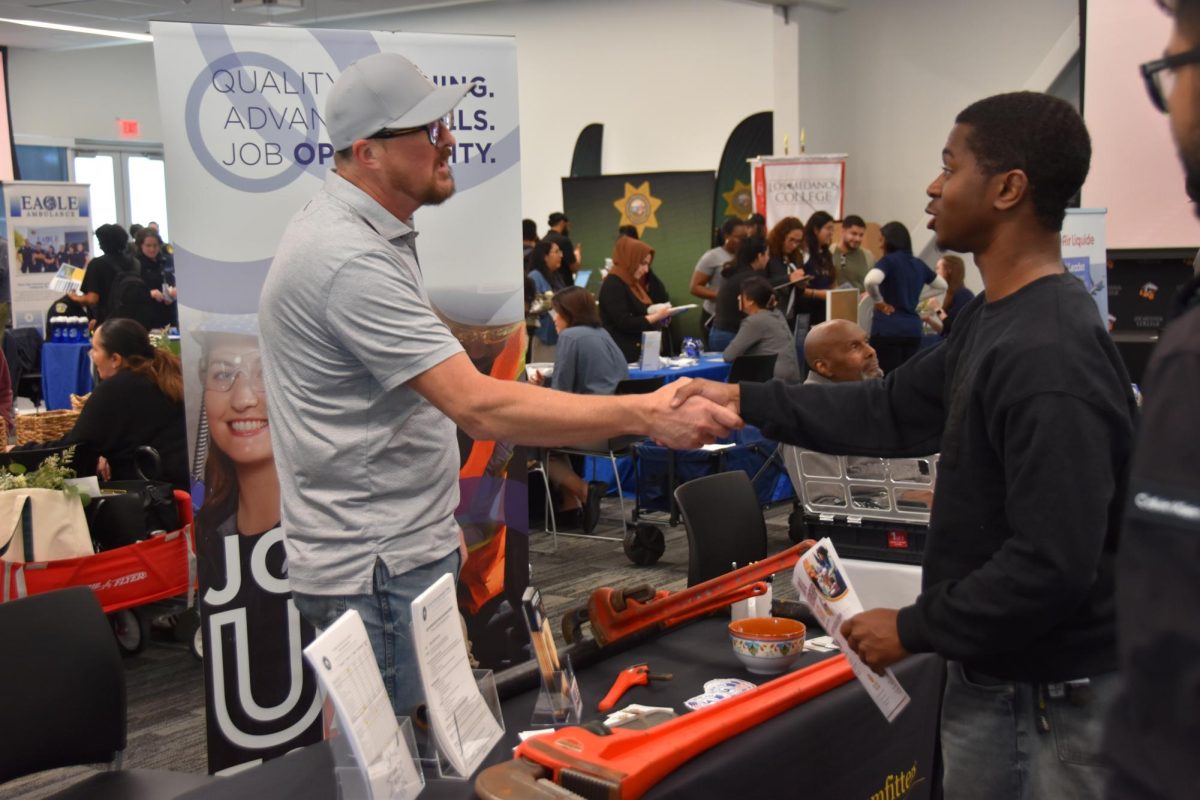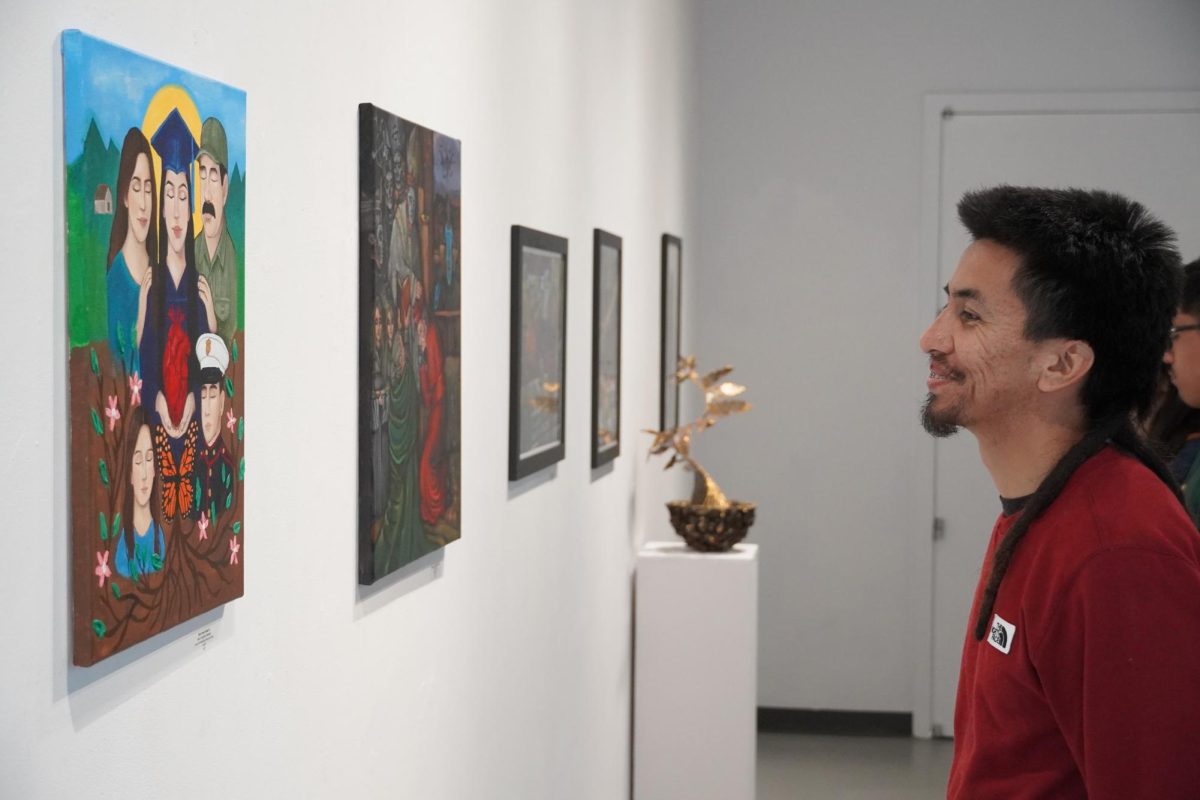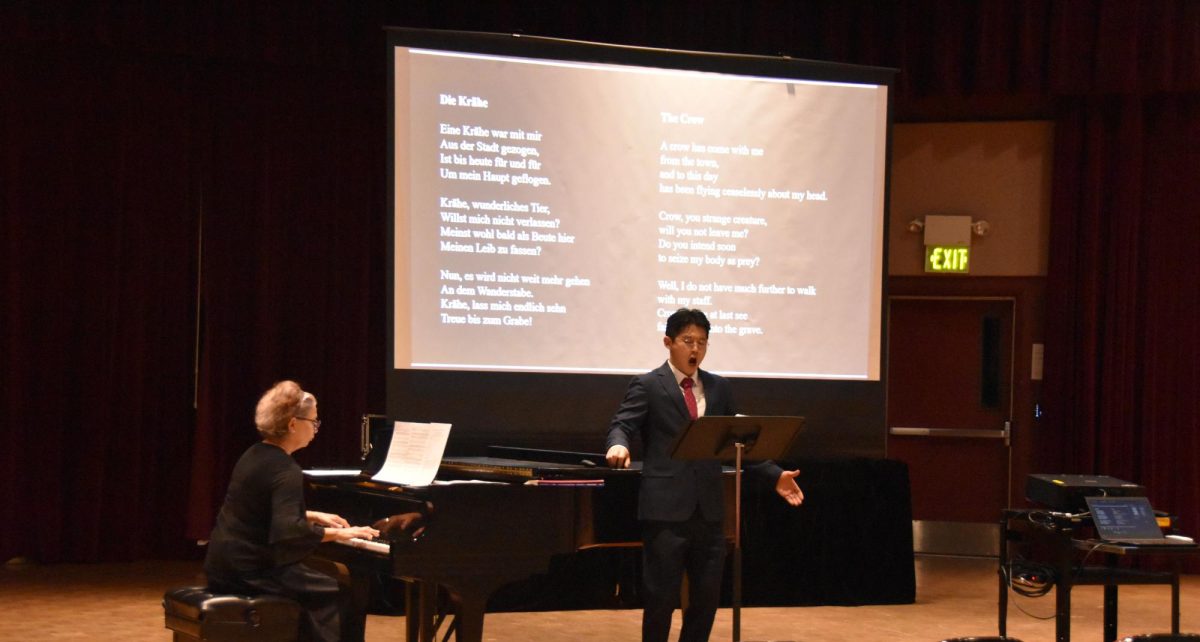
A sense of pride and belonging filled the room during the Ethnic Studies Conference at Los Medanos College. For the first time, LMC hosted the third-annual Ethnic Studies Summit on April 17.
The event began with a labor and land acknowledgement, recognizing the first people to live in Pittsburg and its surrounding areas, as well as the ancestors who worked whether through free, paid or forced labor.
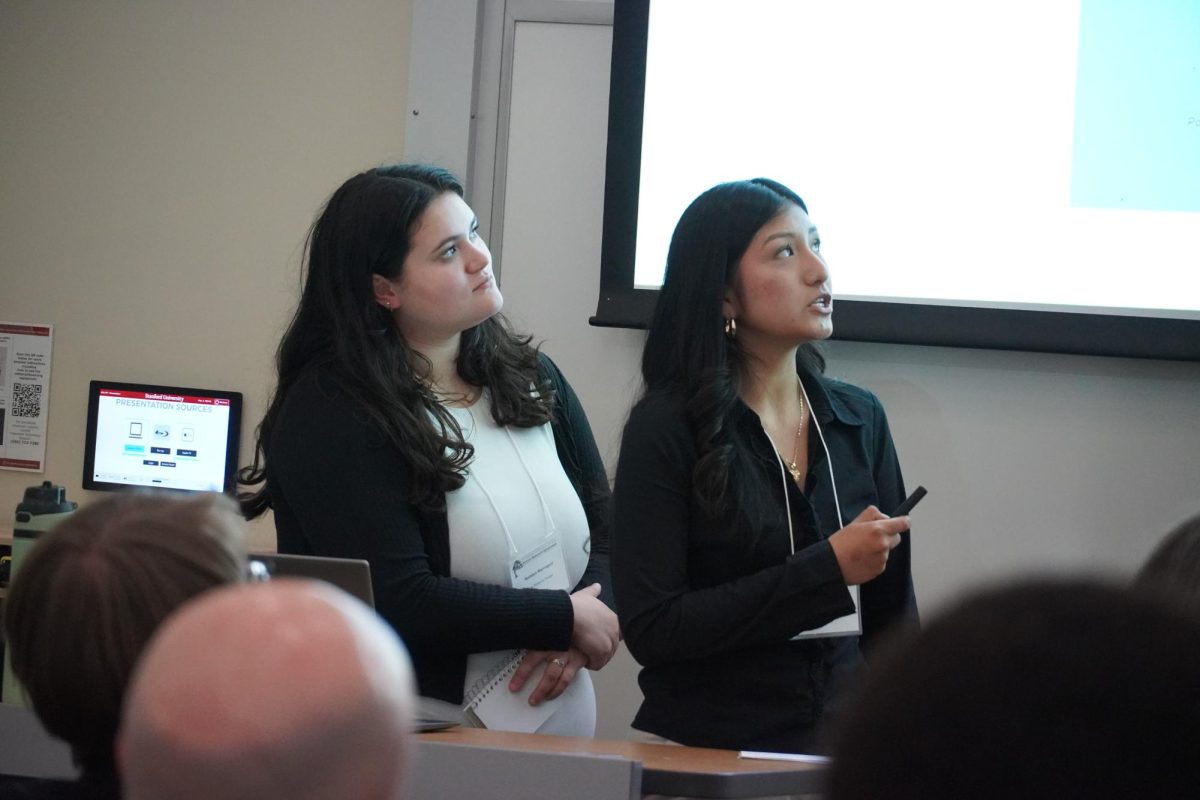
The summit then opened up for student poster presentations. Students from the Puente Program and Honors Program had their work on display, along with students from around the district.
Afterward, a series of workshops took place in the College Complex, each centered on themes of social justice and change. One panel in particular was led by LMC ethnic studies professor Dr. Adrianna Simone, titled “Like Falling In Love: Ethnic Studies as Opportunities for Life.”
Simone’s workshop focused on her life and career leading up to earning her PhD in an ethnic studies field. She initially planned to pursue a PhD in English, then considered a degree in history, but ultimately found her passion in ethnic studies. Her workshop highlighted the wide range of opportunities within the field beyond teaching or academics.
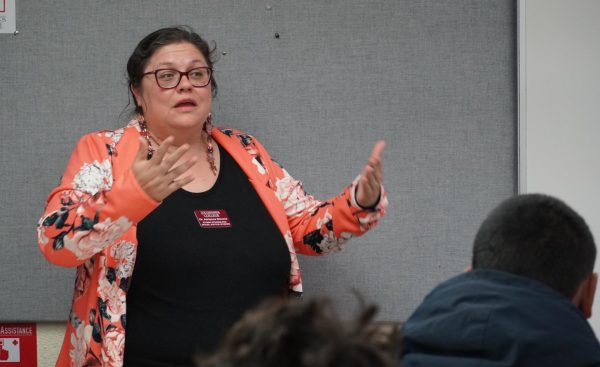
LMC President Dr. Pamela Ralston, who attended Simone’s workshop, said she did an incredible job sharing her academic and personal journey. With a background in teaching ethnic studies, Ralston emphasized it’s importance in bringing people together. “What’s great about Ethnic Studies is that it brings in psychology, and it really grabs the whole of who the community is. It does that in a way where we understand that’s not always an easier comfortable conversation to have, especially in the U.S.” she said.
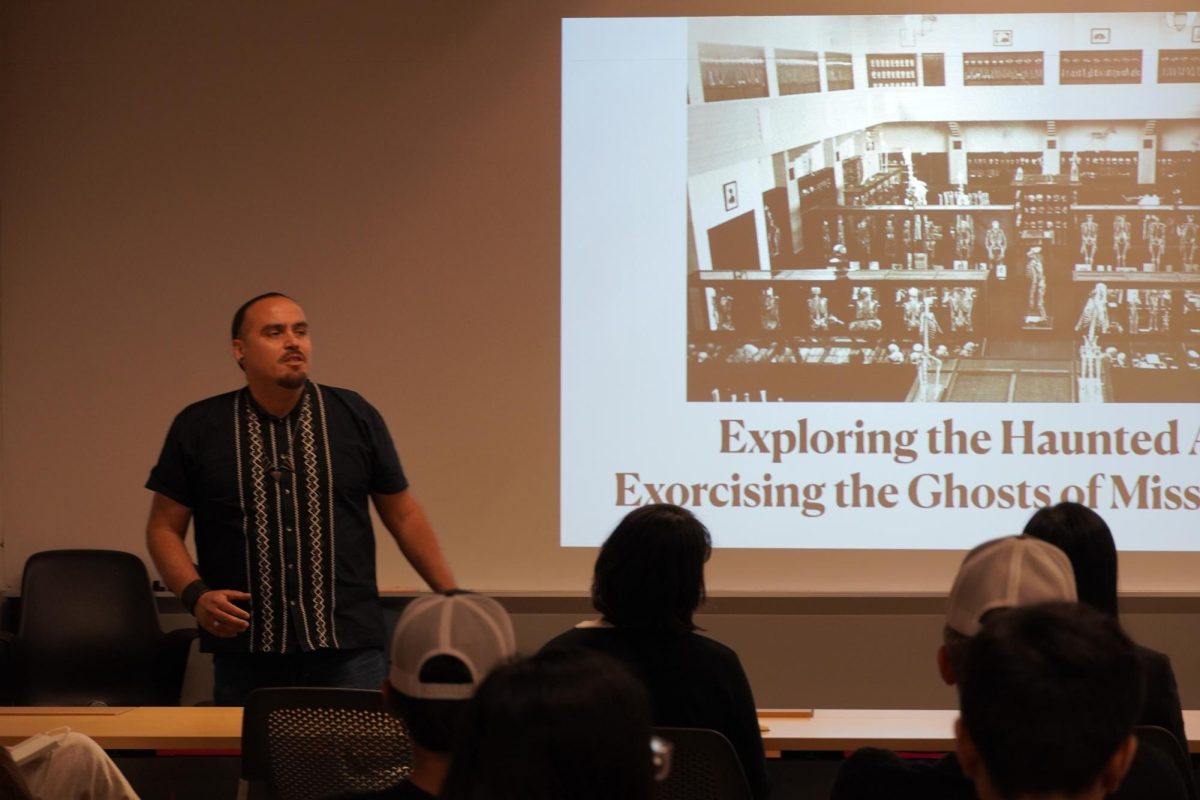
The summit closed with a keynote from Dr. Irene Sanchez, an assistant professor teaching ethnic studies at San Bernardino Valley College. The hour-long keynote covered topics ranging from her family history to her teaching practices and how she engages students in ethnic studies. “Every year I try to reflect upon my teaching, and what I can do better,” Sanchez said.
During her speech, Sanchez shared a moment from her community. A student at Randall Pepper Elementary School, now renamed O’Day Short Elementary, discovered the lands history. In the 1940s, the Short family was killed in a fire later suspected to be racially motivated, and only a few years later a school was built on that same land.
It was a moment that left the audience silent. “That always makes me tear up…it’s just very moving to see young people making a difference.” Sanchez said. “Even though I focused on local stories of where I’m from, I think it gives people ideas about, well, how do we do this here where we’re at?”
Her storytelling resonated with attendees. Former LMC student Leeroy Rios reflected on one of his favorite moments, “I really enjoyed her poem. She read about dreams and it was really powerful,” Rios said. “I think specifically now during the Trump regime and how it’s turning into facism, I think that the power of holding dreams and keeping a dream as a motivator again I just think that was extremely powerful.”
Following the keynote, LMC student and ethic studies major Gabriel Perez Cano performed one of his first poems, which marked the beginning of his journey in ethnic studies. His voice boomed through the room, “With my brown excellency, nobody can take away my power. Brown by birth, proud by choice. I am what the anglos fear!”
The performance energized the room, sparking pride among attendees and supporters in the audience. Pablo Flores, an LMC student and earlier presenter, said it was one of his favorite moments of the event. “I think my favorite part was the poem from Gabriel, because he kind of gave energy to students,” Flores said.
To close the day, Dr. Dani Ahuicapahtzin Cornejo, an assistant professor of ethnic studies at Diablo Valley College, led a seven-direction blessing from the Mexicayotl tradition. This was a moment for the attendees to reflect on what they learned and express gratitude in all directions, beginning with the east and ending with a gesture of thanks to the land.