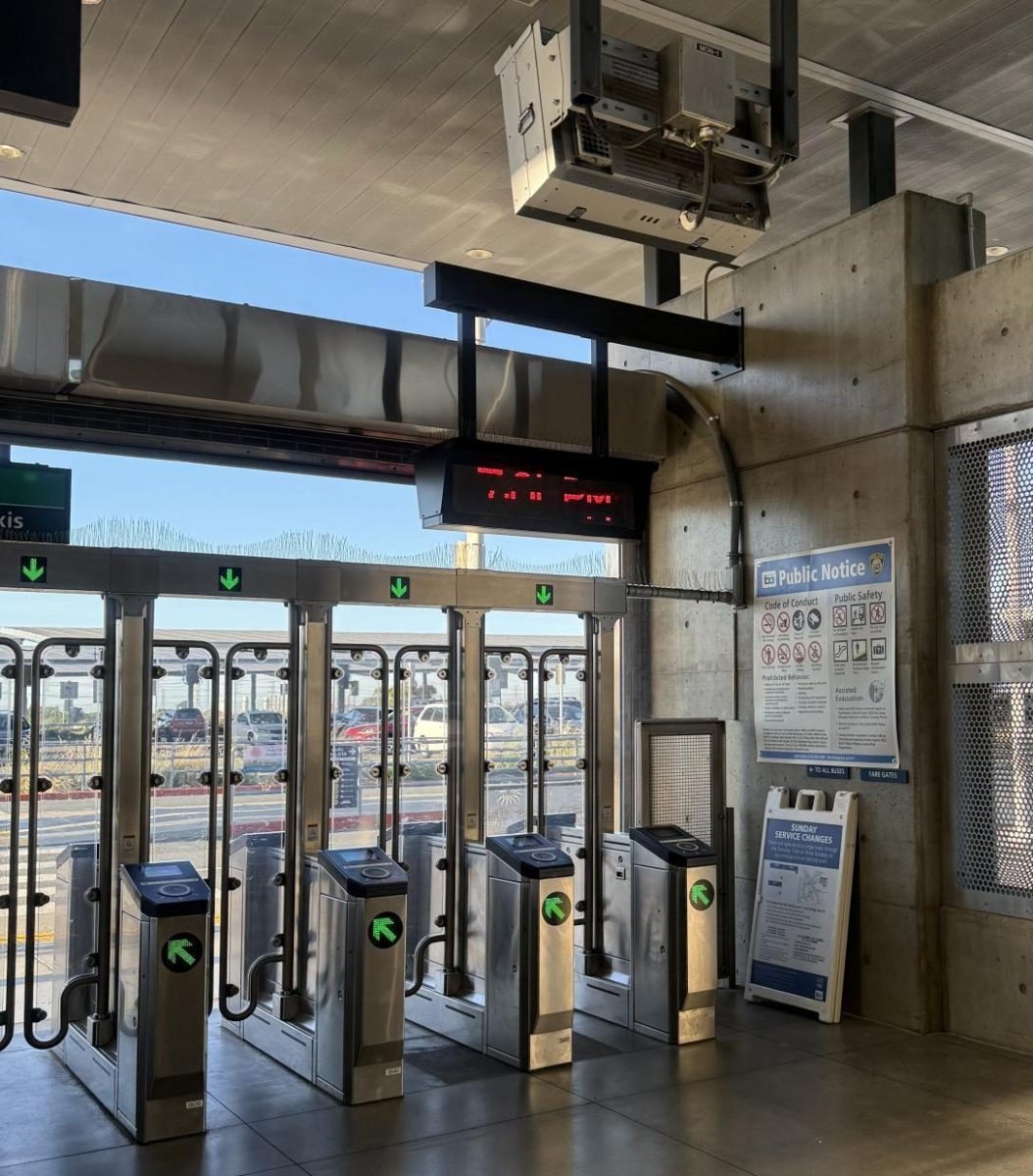
By 2027, the Bay Area Rapid Transit system could close up to 15 stations including three in East County, potentially impacting members of the college community. This comes as BART faces a major financial deficit of up to $350 million to $400 million following ridership declines caused by the pandemic and the rise of remote work.
The California State Senate enacted Senate Bill 63, a proposition which would allow voters to change the fate of BART and other transportation services at the cost of a 14 year regional transportation sales tax of 0.5% in each Bay Area county except San Francisco, where it would increase by 1%. BART is currently running on emergency funds which will run out by the end of 2026.
If voters vote no on this proposition November 7, the closures will be split into two phases.
In January of 2027, 10 stations will close and then five more will close in July 2027.
In addition, other stations will reduce service. In cases of service reduction, BART trains would no longer run every 10-20 minutes, and instead come every 30 minutes. The service would stop running trains as early as 9 p.m. A three-line service would run instead of five-lines. Only the Yellow, Blue, and Orange lines will be operating with limited service during peak hours in the direction of the Red and Green lines. If necessary, both lines may even close in July of 2027 according to BART. Closures of BART stations will also cause more traffic throughout the Bay Area.
BART Media Relations Manager Chris Filippi said that if voters vote yes on the bill, “BART will receive an estimated $74 million for BART operations in the last quarter of FY27 and an estimated $310 million annually beginning in FY28.”
About 1,200 of the workers currently employed at BART could lose their jobs including management. Even if BART cuts these services, decreasing regular cleaning and safety measures like reduced police presence, could result in lower ridership, reducing revenue even more.
“Line segment closures attempt to reduce the size of the BART system, so we’re maintaining fewer assets,” said Filippi.
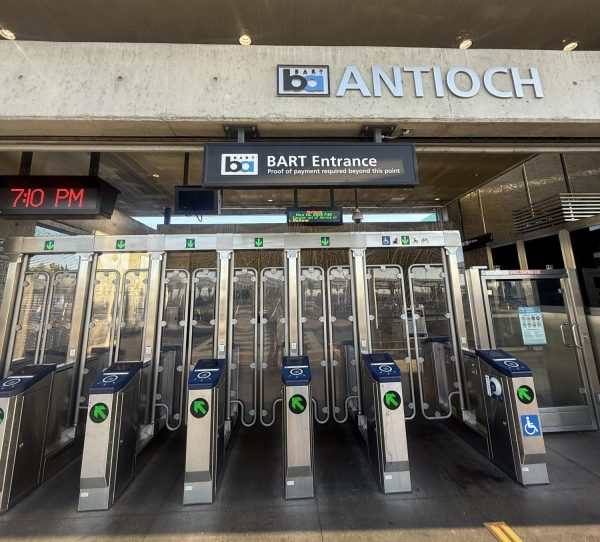
The closest stations to Los Medanos College are Antioch, Pittsburg Center, and Pittsburg/Baypoint which could close on account of this deficit. Filippi said that the BART Board of Directors would ultimately decide which stations close.
“Staff recommend closing the 10 lowest ridership stations as well as the stations that would give our system a smaller network to run, which would be more efficient and would save money. BART’s system would look similar to what we had before we built extensions,” said Filippi.
On an average weekday in March 2026, there were an estimated 5,200 riders who used these stations according to BART. In total, there were about 5.4 million riders who rode BART in March 2026, an almost 20% increase from last year’s ridership data. Despite these numbers, the Bay Area has the highest working from home rates in the country and the empty offices of downtown San Francisco reflect this.
“BART is one of the most cost-efficient heavy rail systems in the United States, and despite operating in a high-cost region, BART’s operating expenses have grown at a rate lower than inflation since 2019, even while opening the extension to Berryessa/North San José,” Filippi said.
LMCAS Vice President Natalya Maroquin, said that she has friends whose parents both rely on BART. In her opinion, she is not a fan of the closures and worries about the people affected by it. With gas prices already at an all-time high, public transportation seems like the most economical option.
“There’s people who do not want to either get a license or spend money on gas. Like, let’s say you work in SF, you live out here, your car getting broken into in SF. It’s crazy,” she said.
“We all utilize and depend on BART,” said LMCAS President Salvador Velazquez. “When I go to concerts in the city, I know that parking can be expensive so cheaper alternatives for us to go on BART is better. I fear closing it down will affect those who have to commute to the city,” he said.
A sales tax to save BART has mixed reactions from the public.
“You’re already taking taxes out of my paycheck so I don’t know, there’s a limit to everything,” said Maroquin. “But then again, the [BART] workers need to be paid.”
Any future plans for a new Oakley and Brentwood station have been halted.
“Our priority right now is focused on BART’s long-term financial sustainability and maintaining our current infrastructure and asset management,” said Filippi.
Only time will tell if voters in November will sympathize with BART riders and commuters to reduce traffic and highlight convenience or if they will choose their wallets and vote against a 0.5% sales tax in an already expensive atmosphere.