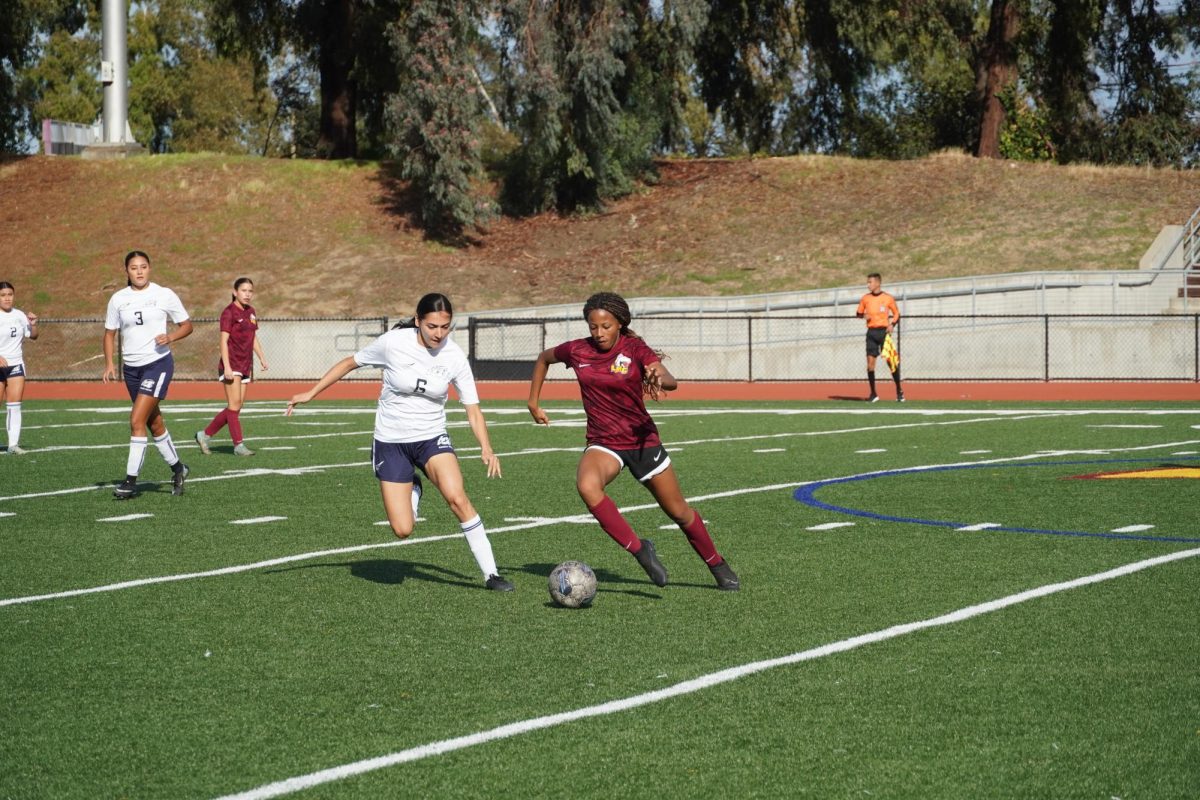
Anterior Cruciate Ligament (ACL) tears are quickly turning into one of the most common and dreaded injuries in college sports, and student-athletes at Los Medanos College are definitely feeling it.
With more athletes in sports like soccer, basketball, football and volleyball worrying about season-ending knee injuries, researchers and sports medicine experts are noticing a trend: female athletes suffer ACL tears more often than men. Figuring out why there’s such a difference, and how LMC students are working to prevent these injuries, is becoming a huge deal.
Studies consistently show that female athletes tear their ACLs at rates two to eight times higher than male athletes. Northwestern University found that “female biomechanics during landing place increased rotational force on the knee,” which makes injuries more likely. The same study pointed out that “differences in hip alignment and neuromuscular control can make the ACL more vulnerable during sudden cuts or pivots.”
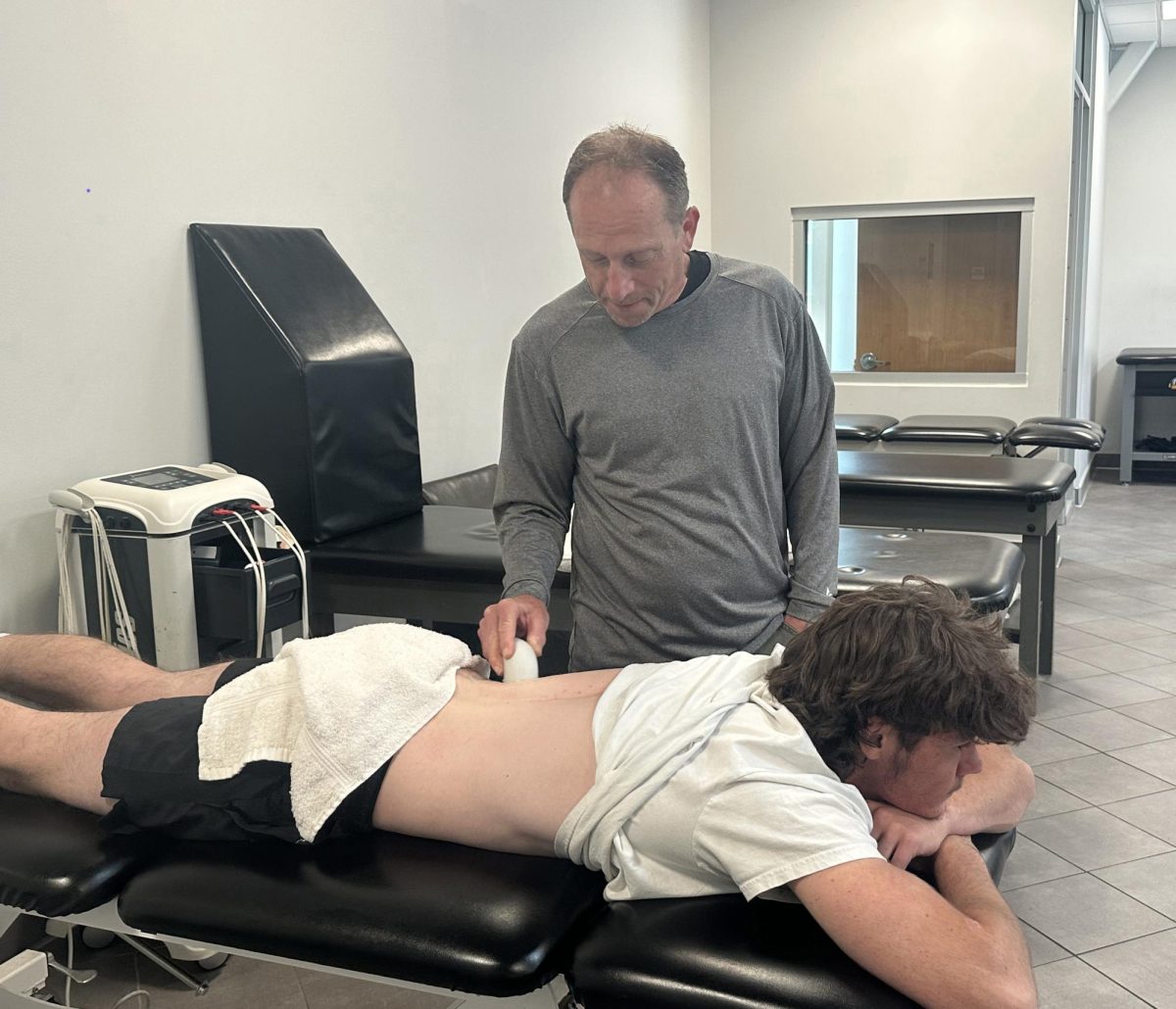
Head trainer Bryan Powelson spoke on the physical differences between male and female athletes. Powelson says “women generally tend to have wider hips than men so that puts more pressure on their knees.” He added, “There are additional differences in the knee ligament itself and the makeup of the knee joint that could predispose them to more ACL injuries.”
Researchers at Northwestern also noted hormonal changes and their impact, writing that “fluctuations in estrogen levels appear to affect the structural integrity of the ACL.” Powelson corroborated this theory saying “ligament laxity due to biological rhythms in the female body compared to men can also increase ACL risk.”
These findings suggest that body structure, muscle patterns and hormone cycles all add up to higher injury rates for women.
Training habits and environmental factors also play a major role. Many female athletes are encouraged to focus on endurance and technique, while male athletes often receive more strength-based training from an early age.
Without targeted strength and neuromuscular training, landing and cutting techniques can put additional strain on the knee. Uneven playing surfaces, shoe type, and even weather conditions can further increase injury risk for both genders, but the effects often differ.
At LMC, coaches and athletic trainers have seen an increase in knee-related injuries over the past few years. For athletes, the consequences extend beyond the physical pain. Recovery from an ACL tear can take up to a year, during which students must navigate academic pressures, mental health challenges, and the fear of re-injury.
Some worry about losing scholarships or falling behind in their athletic development. Others face long-term consequences such as arthritis or reduced mobility. Second-year basketball captain Aly Acosta believes “LMC should enforce better stretches and more time stretching as a whole.”
Acosta also spoke on the difficulty for athletes to return following injury. Following her own knee injury, she worked tirelessly to return to her team but said, “Unfortunately, no matter how you tweak your knee, it’s hard to get back to your full potential, especially mentally.”
In response to the risks mentioned and mental toll it takes on athletes, LMC teams are increasing their focus on prevention. Powelson said these steps are critical. “Focusing on leg strength, single-leg strength and instituting jump programs can be helpful,” he said, “A lot of it is biomechanics, how they’re using their knees, what their knee placement is, when they’re jumping up and down, how much weight is being absorbed by different muscles.”
Acosta believes that “workouts should acknowledge the risk of ACL injuries in women, they don’t need to be drastically different but more mindful.”
Strength programs are being updated to include hamstring development and agility drills proven to reduce ACL strain. Conversations around gender-specific injury risk are becoming more open, helping athletes better understand how their bodies move and what adjustments can keep them safer on the field.
ACL injuries are remain a serious and growing concern, but awareness is one of the strongest tools available. By educating student-athletes about biological differences, training practices and environmental risks, LMC athletics can work to reduce injury rates and support healthier, more resilient athletes across campus.