Out of nowhere, strikes got sharper this season in Major League Baseball. Not overnight, but through a slow shift that finally clicked. Fans had enough. Voices grew louder each year as tension built through endless arguments. Missed calls piled up until something snapped. Enter the ABS challenge system (Automated Ball Strike system) . Some call it robot umps, others just nod at the screen. It arrived at a time when trust in umpires’ judgment wore thin. Now, every pitch comes with a second glance.
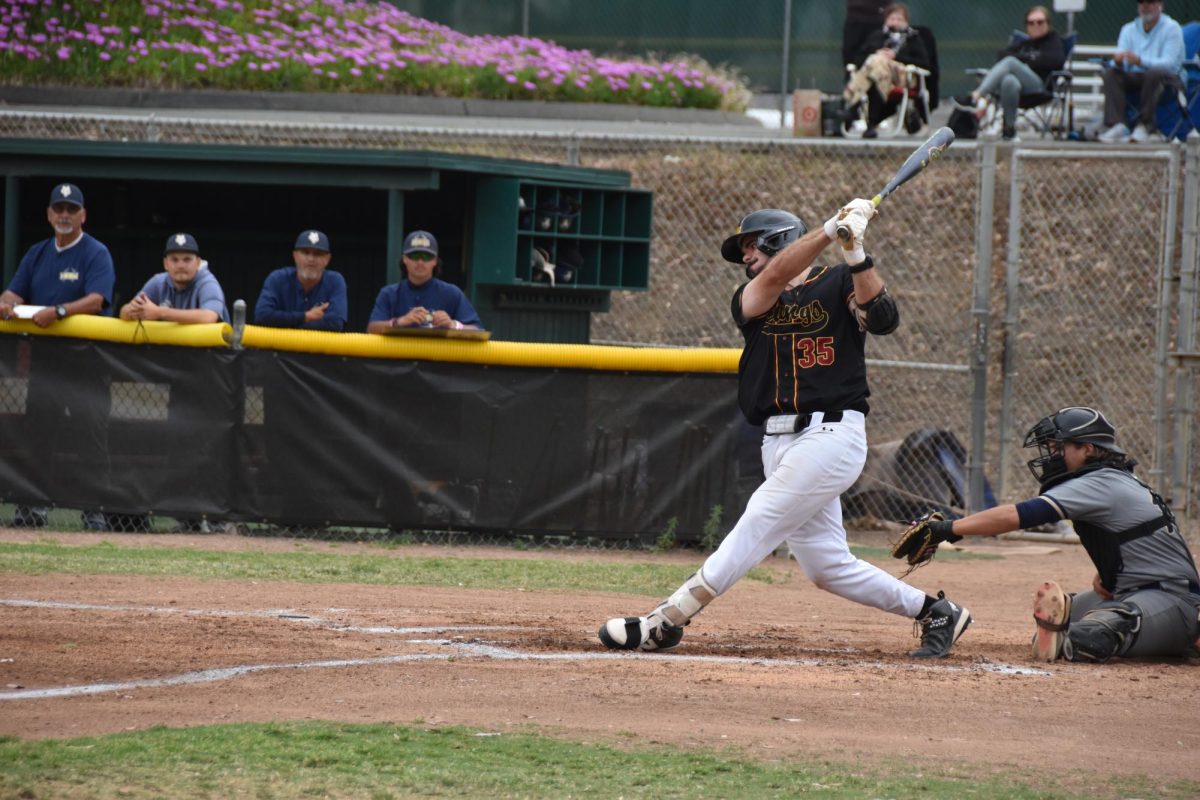
For years, players, coaches and fans complained about the uneven strike zone. One pitch gets called a strike early, then later the same pitch becomes a ball. While errors happen in any sport, calling balls and strikes hits differently, it can shape every at bat. Studies have shown that just a handful of incorrect calls can change the outcome of a game.
Frustration kept spilling into conflict. Data shows that over 600 players and coaches have been ejected since 2021. Proof of just how strained the relationship had become between those on the field and those behind the plate.
Fans may not have noticed when screens began flashing more advanced stats, but that shift came from baseball’s quiet move toward technology. Machines now track every pitch, replacing methods that relied solely on the human eye. The game has evolved and this is part of that evolution.
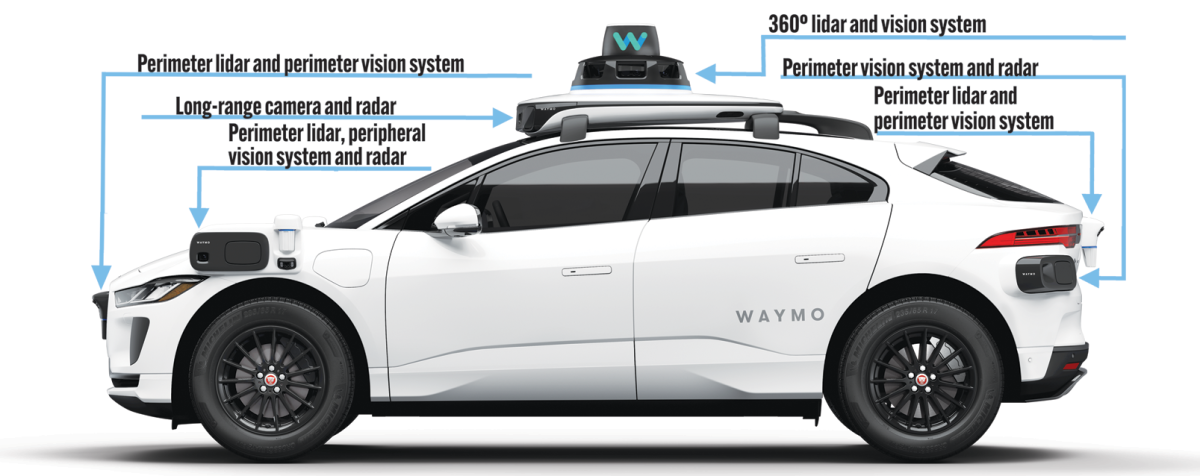
After years of testing in minor leagues and spring training, the ABS challenge system officially launched in the 2026 season. Now, instead of arguing with an umpire, players can challenge a call immediately. High-speed cameras track and analyze each pitch and determine whether it passed through the strike area.
Fresh out of the gate, results have been eye opening.
In spring training, more than half of disputed calls were overturned after review. Umpires kept getting pitch decisions wrong, more often than expected. This gap? It’s exactly why the new tech stepped in. For players, fairness matters more than flawless execution to athletes.
Still, not everyone agrees. Long time pitchers like Chris Sale and Max Scherzer have voiced concerns, arguing that the system removes the human element from the game. Even so, support continues to grow, especially when errors are caught during critical points in a game.
Where ABS truly stands out is in its balance. It doesn’t remove umpires, it gives athletes an alternative option. It also adds a new layer of tension. Moments stretch longer, crowds hold their breath during challenges, much like replay reviews in other sports.
Even so, the system isn’t perfect. Players can waste challenges on bad guesses. Some missed calls go unreviewed simply because they’re out of reach. The debate remains, does technology take away what makes the game human?.
But the truth is, the shift came straight from how the game was played.
Today, fractions of an inch decide pitches, not instinct. Technology sees what eyes cannot. When precision becomes this exact, relying on judgment also becomes harder to justify.
ABS doesn’t make baseball less human. It makes it more fair. And after years of missed calls and heated arguments, that’s exactly what the sport needed.