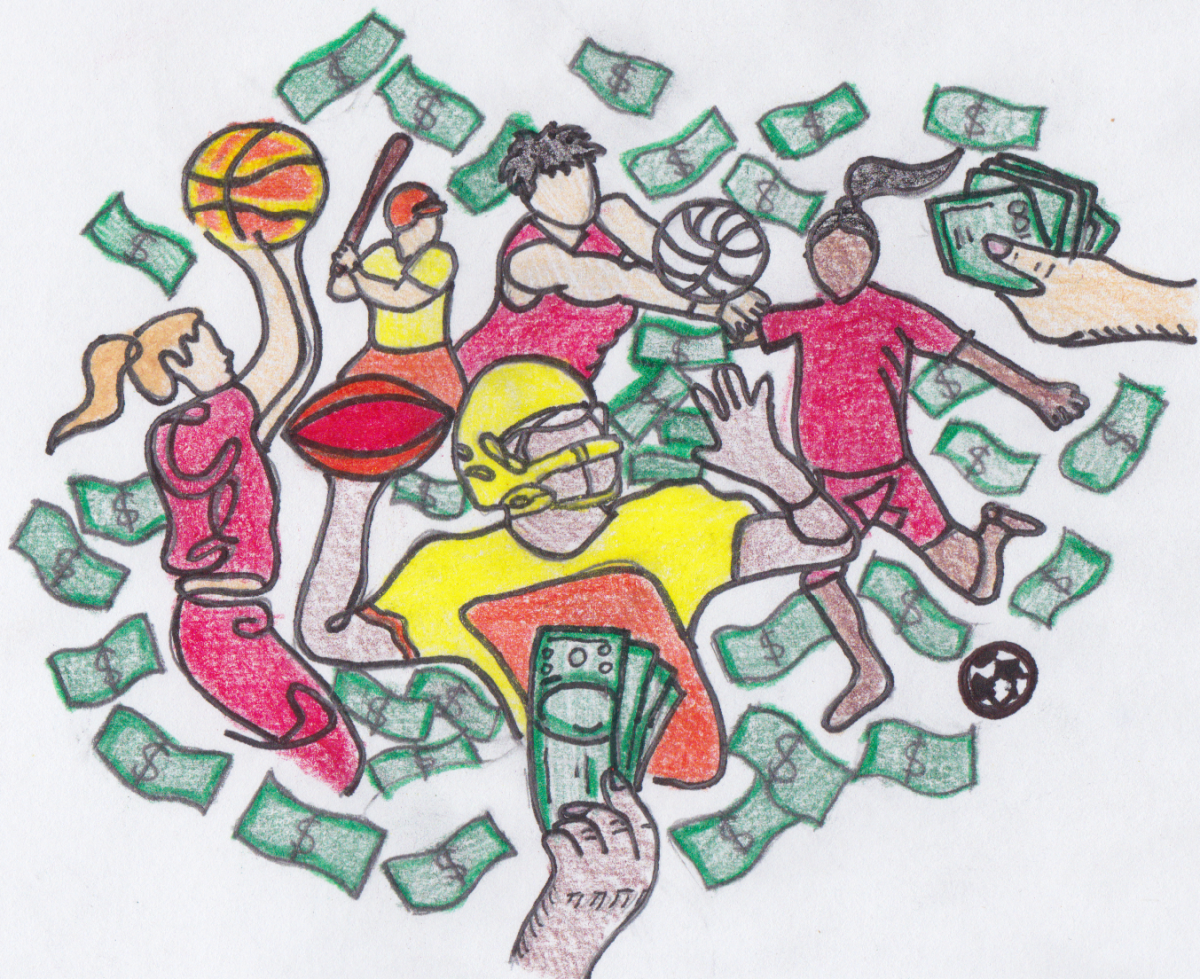
The games we love once stood on their own. Here’s how things have shifted in the NFL, NBA and MLB. Drama once drew audiences, alongside rivalry matchups and upset outcomes. Lately, attention has drifted toward the moneyline before the game even begins.
Back then, it was small, but now everything’s different. Following the 2018 ruling by the Supreme Court, when legal access to sports betting expanded rapidly.
Data from the American Gaming Association shows more than $121 billion was bet in 2025 alone, a number likely to rise. Once rare, placing bets while watching games feels normal now.
Nowhere is it harder to ignore. Before games, analysts dissect betting lines.
As plays unfold, networks overlay live odds on the screen. Even official league agreements now link directly to companies such as DraftKings and FanDuel. What once separated athletics from gambling has nearly disappeared.
This is where difficulties begin. When each play, pitch and possession is tied to money, fan reactions start to shift. Tension that once built during close NBA finishes can now turn into frustration if a single play ruins a wager. Celebration fades, and attention moves elsewhere. What once felt pure is now measured differently.
Nowhere is this shift more visible than in the NBA. Fast breaks and constant scoring make the game ideal for real-time betting. Because of this, each stat carries added weight,
sometimes unfairly.
When someone off the bench makes a routine foul shot near the end, it may seem insignificant. But if that one point affects betting outcomes, the conversation changes. Focus moves away from performance and toward financial impact, even when it doesn’t affect who wins or loses.
While the NFL remains the most popular sports league in the United States, its growing connections to gambling is hard to miss. Official partnerships with sportsbooks appear throughout broadcast, along with on-screen odds. Betting activity reaches massive levels, the Super Bowl alone generates billions in wagers. But that magnitude brings complications. Errors by referees or debatable rulings no longer just frustrate fans, they trigger claims of influence on bet results.
Most games pass without incident, but gambling keeps viewers engaged even during slower stretches of the season. Baseball, known for its slower pace, now feels different. Betting adds urgency to otherwise routine innings, shifting focus away from the game itself. Even respect for skill can fade when attention centers on betting outcomes.
Some see betting as part of being a modern fan. In 2024, Pew Research reported that nearly one in five American adults placed a sports bet within the previous year, with younger men participating at higher rates. Watching games once meant simply cheering. Now, money is often involved. When teams lose, fans may also lose financially. The stakes are no longer just emotional.
Sports are still great. The talent, the storylines, the moments, they’re all still there. But the lens has changed. Watching a game is no longer just about who wins or loses. It’s about what you had riding on it. And maybe that’s the trade-off no one talks about enough. Because the more we bet on games, the harder it becomes to simply enjoy them.