As students we are encouraged to stay long at school, study hard, and sacrifice our social life. Our mindset is that in order to get what we want, we must hustle hard, stay late, and become a team player at the expense of our mental and physical health. The basis of hustle culture is no sleep, obtaining financial gain, not eating or sleeping and sacrificing to get the good things later.
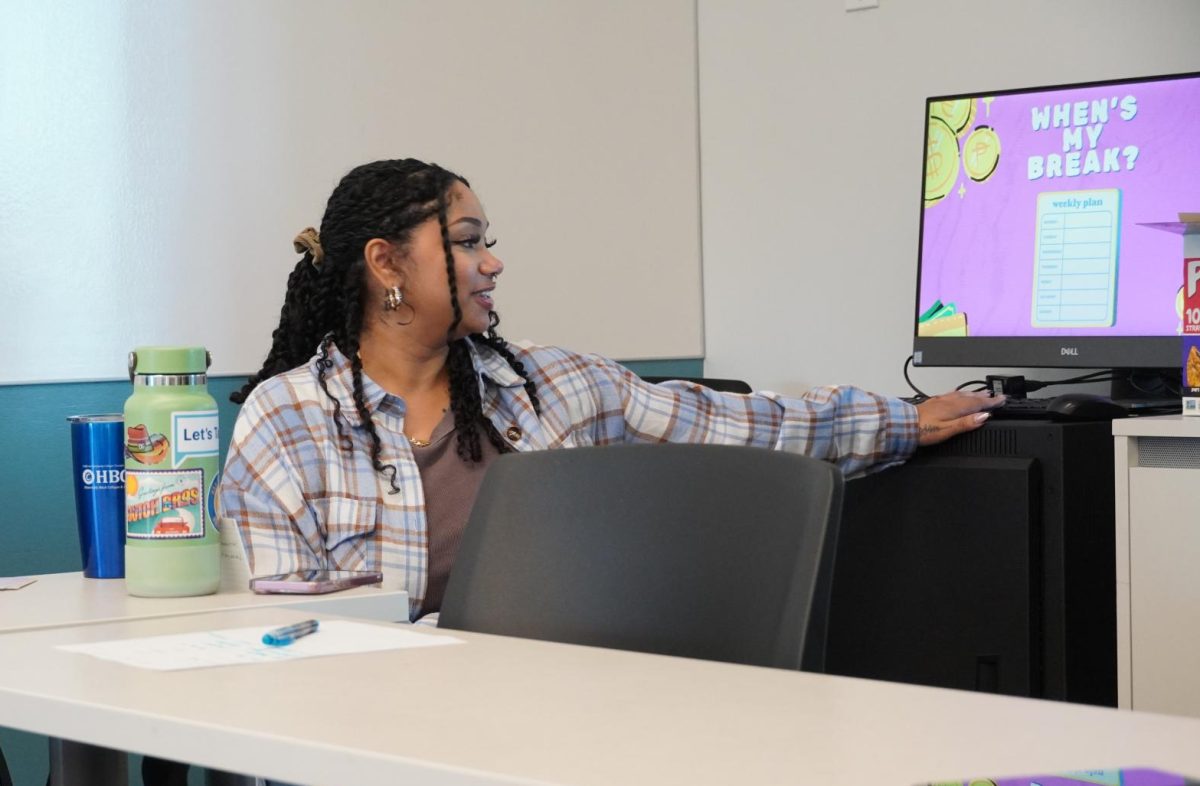
On Nov. 18 at 11 am in the student union conference room, an In-Comm-UNITY event was hosted by Umoja to have an open conversation about hustle culture and redefining it for ourselves.. The facilitator was Erysse Green, an LMC alumni who graduated and transferred to Southern University, who now works with Umoja. “Hustle culture is not sustainable for a long period of time,” said Green. “We need to look forward to something, and set a goal to relax and have fun.”
According to TalkSpace, hustle culture is defined as when a workplace environment places an intense focus on productivity, ambition, success, with little regard for rest, self care, or any sense of work-life balance. Also TalkSpace found that hustle culture is found to harm mental health and worsen the workplace.
“Hustling for a short amount of time can be a good thing, since good things come later on,” said Green, “as long as the goals are obtainable.”
Instagram, TikTok, and Facebook have made it easy for influencers and celebrities to share images of themselves working late into the night, glorifying and perpetuating a dangerous mindset among younger generations who look up to them for inspiration according to TalkSpace. It’s vital for there to be a balance between work and our social lives, or we will experience burnout. During the event, Greene asked the audience if anyone had never experienced burnout. The student audience disagreed. “I realized I need more breaks,” said Ami Kamara, an LMC and Umoja student. “I loved being able to really get down to the nitty gritty of hustle culture as well.”
While hustling for our degree or certificates, we must be able to find time for ourselves in our busy schedules. During the hustle culture event, Greene handed each student a weekly plan paper, and encouraged us to write down our day-to-day. This assisted students in knowing where they can take breaks such as eating, exercising, sleeping, and chores.
If you or someone you know is hustling too hard where they are neglecting their physical and mental health, help is available. The LMC community is here for you. The Student Wellness Program are services offered by Student Wellness Program clinicians through partnership with the National University Community-Based Counseling Program (formerly John F. Kennedy University) to provide support when students are encountering highly stressful issues, e.g., depression, family, identity, interpersonal. They will need a referral in order to make an appointment.